6 shade-tolerant plants that bloom indoors in a cool spot with a bit of scattered light
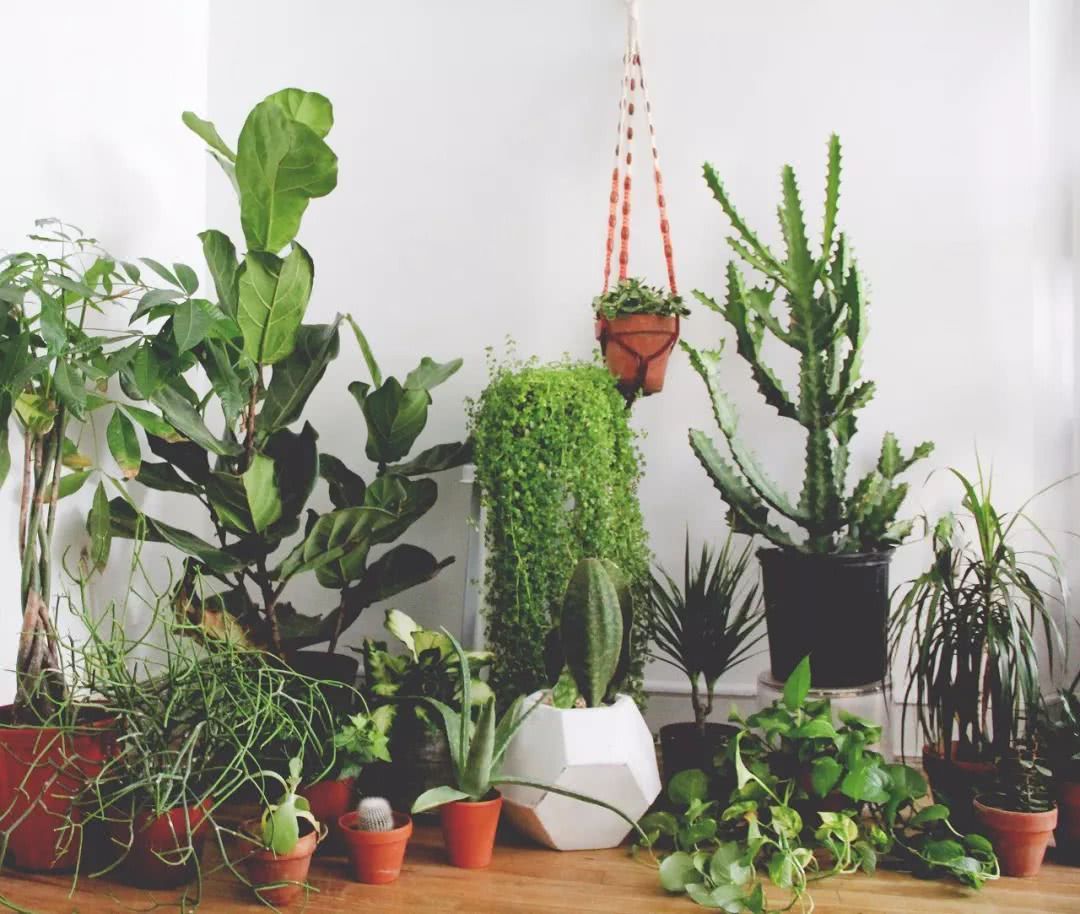
Some plants simply love growing on the north side of a house. They grow well even in cool, damp conditions, and the most common of these are ferns, which love dark, damp environments, come in different varieties, and are quite attractive.
If your yard gets a suitable amount of scattered light each day and the light is not too abundant, then you can grow some plants that like low-light areas, giving them some light in the morning or evening, which also helps encourage blooming.
1. Foxglove
Foxglove, also called digitalis, is a fairly tall plant that produces tubular flowers. Its flower spikes are quite long, and it is a plant suited to dry, shaded conditions. It does not need much water, and cultivation requires loose, well-draining soil. The growing spot should stay well ventilated, and the soil should be slightly acidic and rich in humus. Note, however, that this flower is toxic, so avoid eating it by mistake.
2. Hellebore
Hellebore is a very attractive perennial that blooms in late winter or early spring and is very popular. It comes in various varieties with a rich range of flower colors. It likes growing under tree shade, so keep the environment consistently moist, and loose, well-draining leaf mold is the best soil choice.
3. Hosta
Hosta is a relatively low-growing perennial with very large heart-shaped leaves that can stay green year-round; of course, some varieties have spotted leaves. It likes growing in partial shade and will grow and bloom with a suitable amount of scattered light each day. In overly exposed, scorching conditions, the leaves are instead easily sunburned. In summer, hostas can produce splendid flowers, their flower scapes are very tall, and the blooms carry a captivating fragrance. During care, avoid letting the soil dry out too much, and once the branches and leaves wither, promptly remove the dead leaves.
4. Bluebell
Bluebells are also very well suited to growing under tree shade; they like shade and partial shade. Their flowers are very small, each little bloom shaped like a bell, and they flower in late spring.
Bluebells come in different flower colors, including the common white, light blue, blue-purple and pink. They are suited to slightly acidic, fertile, loose soil. Note, however, that the sap of bluebells is toxic, so avoid eating it by mistake.
5. Impatiens
Impatiens is a particularly popular herbaceous flowering plant that likes a consistently warm, humid environment and, with proper care, can stay in bloom year-round. The plant is relatively low-growing and likes moist, well-draining soil. Be sure to water regularly and avoid letting the soil dry out too much, and keep the growing spot out of scorching or overly direct sunlight.
Impatiens comes in different varieties, including the common pink, red, purple, orange, white and mixed-color types. After impatiens blooms, promptly remove the spent flowers to encourage branching.
6. Lily of the valley
Lily of the valley is a perennial that is especially easy to grow and spread. It is suited to growing under tree shade, likes a consistently cool, shady environment, and fears scorching heat and drought. Its flowers also carry a captivating, sweet fragrance. Note, however, that lily of the valley is toxic, so avoid eating it by mistake.
To grow lily of the valley, choose spring or autumn and prepare slightly acidic, loose, well-draining humus soil. Before planting, you can first soak it in warm water for a few hours; after planting, water it thoroughly, and in winter protect it from freezing.