How to Tell If a Plant Needs Watering
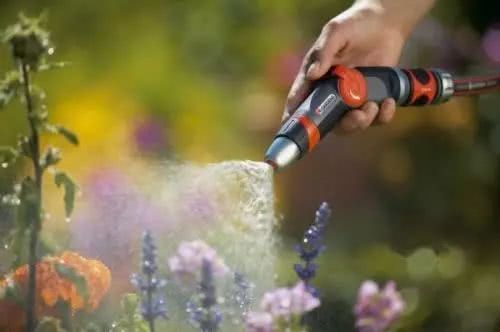
The most important skill in growing plants is none other than watering.
Watering is easy enough to say, but when it comes to doing it well, it really is a field of study.
The amount and timing of watering must be based on the specific plant's growth habits and growing environment.
Based on a plant's preference for or aversion to water, people generally say whether a plant likes moisture or dryness, and whether it fears waterlogging or drought.
Take the most typical examples: the cactus (ball cactus) fears waterlogging, and nine out of ten deaths come from waterlogging; copper coin grass (Hydrocotyle vulgaris) loves water, and watering can bring it back from the dead.
There are also many flowers that are extremely sensitive to soil moisture. For example, as the old saying about orchids goes: "Understanding orchid growing takes one insight, but watering takes three years of skill" - meaning that watering is the most important and also the hardest thing to master when growing orchids.
Through the long accumulation of experience shared by plant lovers, some watering lessons have been summed upFour-character maxims。
These watering rules are not as easy to put into practice as they look, nor are they as absolute as they sound literally.
So how exactly should you judge and master them accurately?
"Water thoroughly when dry"
"Water thoroughly when dry" is mainly a correction for the common situations of watering too frequently and always watering only "halfway".
Except for plants that like to stay wet for long periods, frequent watering easily affects root respiration and growth, causing root rot. This is especially true when ventilation is poor.
And for most plants, whose roots are used to reaching deep into the soil to find water, moisture generally comes from the surface of the pot, and when water cannot reach below the roots for a long time, the damage to the plant is fatal.
So how do you tell whether the soil is thoroughly dry and whether you have watered thoroughly?
"Thoroughly dry" does not actually mean that the medium at the bottom of the pot is completely dry and lacking water, becausehaving not a trace of moisture really hurts the roots badly. We only need to judge that most of the potting soil is in a dry state (or20%humidity) to consider it thoroughly dry.
Different potting soil media have different water retention and drainage, so the time to dry out and the amount of water needed to soak through are all different. Add to that seasonal changes in temperature and humidity,and judging dryness and wetness cannot be generalized。
Judging methods, lifting the pot and listening to the sound are relatively common: heavy potting soil is a sign of obviously high moisture in the soil and can be felt by lifting the pot; at this time, tapping the outer wall of the flowerpot produces a relatively dull sound;
when the potting soil is light and tapping produces a crisp sound, it means the potting soil is thoroughly dry and it is time to water.
There is also the disposable chopstick test: insert a disposable chopstick into the potting soil, wait a moment, then pull it out and look at how dry or wet the chopstick is to judge the situation of water consumption.
As long as the sound is crisp, the pot feels noticeably lighter when lifted, and the chopstick is relatively dry or only the lower small half is moist, you can water. At this point, it counts as "thoroughly dry".
When watering, you can likewise listen to the sound, feel the weight, and insert a chopstick to judge.
There are two points to note.First, water leaking out does not equal watering thoroughly, because when the potting soil is very dry, even if water leaks out, it may not have been watered thoroughly;second, do not water too much; stop once it is watered through。
In practice,firstwateringshould be slow. Before watering, you can loosen the soil, which makes it easier to water thoroughly;
secondyou can choose to usea fixed amountfrom a mineral water bottle to water. At first, use a chopstick to check, and observe more changes in the plant's branches and leaves before and after watering. After three or four times, you will be able to find the amount of water the plant needs.
Master these key points, and after watering, pay attention toa ventilated environment. Combine the two, and everyone can sum up their own experience and intuition - that is the most important thing.
"Water when dry, dry when wet"
It requires watering thoroughly once, and watering before the soil has thoroughly dried.
Flowers that like "water when dry, dry when wet" are usually harder to grow, and the reason lies in how difficult it is to control the amount of water in the potting soil. They require the soil to stay moist often, while firmly avoiding water accumulation.
This type of flower includes: orchids, rhododendrons, camellias, gardenias, and others. Among them, watering orchids is notoriously hard to control.
For growing this type of flower, the potting soil medium is very important and must have very high drainage to grow them well.
As for judging the dryness and wetness of their potting soil, the previous methods can also be used, but watering usually needs to be done when the soil below the surface is dry to three cm, at which point moisture should be replenished.
"Alternate dry and wet"
"Alternate dry and wet" is different from "water when dry, dry when wet". It means that after the potting soil becomes dry, keep it dry for a period of time, then water.
Usually, this watering method is used for drought-loving plant types, such as cacti, or during the dormancy period of moisture-loving plants, or when the root system is damaged.
During the dormancy period and when the root system is damaged, the roots' ability to absorb and transport becomes worse, so you should water less - that is, the time the potting soil stays dry should be relatively extended before watering again.
"Better wet than dry" and "better dry than wet"
These two watering methods are easier to understand and carry out. They usually refer to plants that especially like moisture and tolerate waterlogging but must not lack water, and plants that especially like dryness and tolerate cold but fear waterlogging.
Those for which it is better to be wet than dry include: maidenhair fern, copper coin grass, umbrella plant (Cyperus alternifolius), water lily, and others.
Those for which it is better to be dry than wet include: cacti and most succulent plants.
The several four-character maxims of watering seem simple, but in practice they also become complicated because of the plant's growth habits, stage, and specific growing environment.
Share more, sum up experience more, and everyone can master their own treasure book of watering.
If you also like growing flowers, then follow us!