How to care for an Australian pine bonsai so it grows vigorously
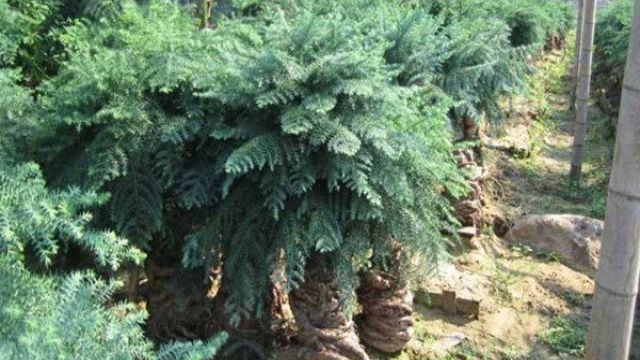
Soil
The Australian pine has high soil requirements. Choose soil with relatively good drainage, which is especially good for the roots and keeps them from becoming very damp and developing root rot. Then also choose slightly acidic sandy soil. Generally, when potting, we mix garden soil, leaf mold and peat moss to prepare a good growing medium that meets the roots' needs and helps the plant survive better.
Watering
During the transition from spring to autumn, the Australian pine should be watered more, but remember that there must be no standing water in the pot. When the temperature is high and the weather is dry, spray water on the plant in the pot and on the ground around it to lower the temperature and increase humidity. Water promptly and do not wait until the soil is already very dry before watering. Toward the end of autumn, gradually reduce the amount of watering to strengthen its cold resistance.
Light
The Australian pine prefers diffused light, so it is better placed in a bright spot inside a shed. If it has been kept in a dark place for a long time, it should be moved into the sunlight for appropriate exposure every few weeks, which keeps the leaves a deep green and maintains a good gloss.
Temperature
Its growing season is relatively long. Apart from when the summer temperature exceeds 32°, it can grow all year round at other temperatures.
Fertilizing
During the growing season, apply a supplementary fertilizer once every 2 weeks, and a compound fertilizer containing nitrogen and potassium is most suitable. If the fertilizer supply is insufficient, the leaves will turn yellow.
Preventing and controlling pests and diseases
The Australian pine suffers little damage from pests and diseases. When we grow it indoors, we often encounter scale insects attacking it. In this case, we can use an appropriate pesticide, add an appropriate amount of water, and spray regularly to kill these insects.