Let succulents get some rain, and they'll grow better with plumper, fleshier leaves
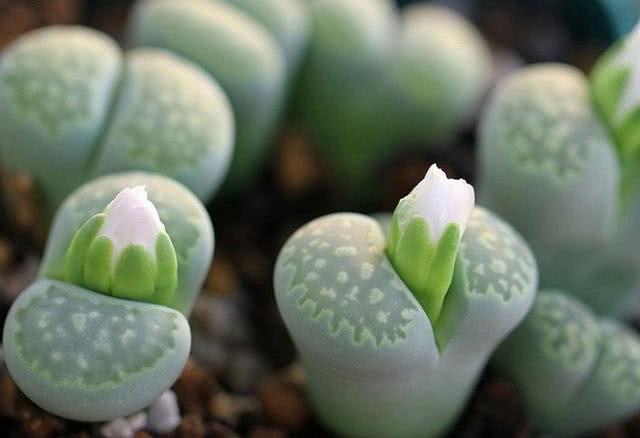
What? Succulents can get rained on? Don't be ridiculous. I handle mine like they're so delicate I'm afraid they'll drop if I hold them and melt if I put them in my mouth, and even then I can't always keep them thriving, and you're telling me they can get rained on? I'm not buying it.
Actually, although rainwater carries impurities from the air, it also contains a large amount of minerals and trace elements, which are favorable nutrients for plant growth, so letting succulents get some rain in moderation is beneficial. But this depends on the actual situation, for example if they have already been cared for at home for some time and are familiar with the surrounding environment. Also, they must not be rained on in the cold winter, because the temperature is too low and it will freeze the succulents to death.
Before we let succulents get rained on, we need to first get them used to being outdoors. We can't keep them indoors all the time and then rush the pots outside when it rains, that's definitely not realistic. Although succulents do well outdoors, it also takes a certain amount of time to build up to it. Before moving them outdoors, we need to choose the right season; spring and autumn are most suitable. We can first keep them on the balcony for a week, then on the north balcony for a week, then put them on the balcony to air and sun for a week, and then we can take them outside. We can also gradually increase this outdoor time, first 3 hours, then 5 hours, and so on.
Succulents grown outdoors can quickly adapt to changes in the environment and climate, and changes in air humidity will also vary with the weather, which is very similar to our usual watering, so even when it rains, the succulents can adapt quickly. Rainwater also contains some nutrients, which to some extent is beneficial to succulent growth.
At the same time, it can wash away some of the dust on the succulents. To some extent, getting rained on is equivalent to pouring water over the succulents when you water them, and it's gentler than you are. Spring rain moistens things silently. Sometimes I even deliberately let them get rained on.
The time we let them get rained on also needs to be appropriate. If it's a heavy rainstorm, that won't do, as it will damage the leaves. After the baptism of rainwater, we should put the succulents in a cool, ventilated place to air out, which can effectively prevent water from accumulating in the succulent pots. Some friends ask why not put them in the sun to dry, and that's because water will rise in temperature under the sunlight, which can easily scald the roots of the succulents, and then naturally you won't be able to keep them healthy.
After succulents get rained on, they also need to be cleaned up promptly. We need to prevent a lot of water droplets from hiding on the leaves, because many densely growing succulents will turn black due to the leaves being soaked for a long time, so we should check the condition of each leaf within 1 day after the rain, making sure there are no water droplets on the leaves, and this will also reduce the chance of disease.