Fertilize chrysanthemums this way for big, full blooms
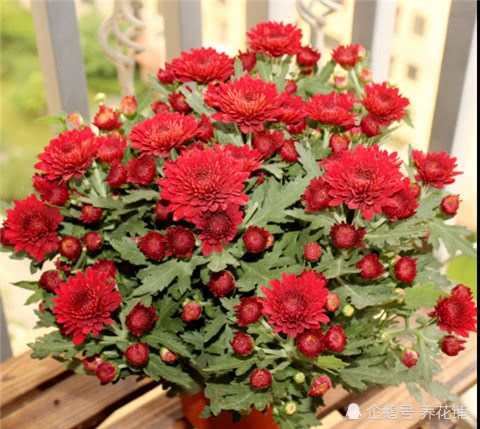
Chrysanthemums have a long blooming period, beautiful flowers, and vivid colors, which makes many people grow a pot of them. Autumn has arrived, and we look forward to their bloom. Learn how to fertilize chrysanthemums and keep nutrients sufficient. Do not fertilize too much, otherwise the roots rot easily, so you need to master the method; the right approach will make the plant bloom bigger and more abundantly!
How to fertilize chrysanthemums
(1). Chrysanthemums mainly need potassium and phosphorus fertilizers as the primary fertilizer. The fertilizing method differs at different growth stages and seasons. Do not fertilize too early; generally before blooming, that is, in autumn, you need to ensure sufficient fertilizer and water, increase the number of fertilizations, and at the same time you can also increase the concentration. When entering the high-temperature period of summer, reduce fertilization, which can help chrysanthemums get through summer safely.
(2). When repotting, add base fertilizer to the bottom of the pot. According to the size of the chrysanthemum plant, repotting is needed. Do not switch to a much larger pot all at once; gradually, according to the size, change to a suitable-sized flower pot little by little. If you do not repot, the soil nutrients will be used up, which is not good for growth and blooming, so you need to repot in good time. When repotting, add an appropriate amount of fertilizer to the soil to ensure the chrysanthemum grows more healthily.
(3). During the seedling stage of chrysanthemums, fertilize less or not at all. At this time the plant is relatively fragile. Fertilize once every 7-10 days, and be sure to apply diluted mild liquid fertilizer.
(4). During the growth period of chrysanthemums, this is the rapid growth stage. The plant has a high demand for nutrients, so you need to increase the number of fertilizations, about once every 5-7 days.