Rain lilies planted in this kind of soil will survive with just a casual planting, and their blooms are especially beautiful
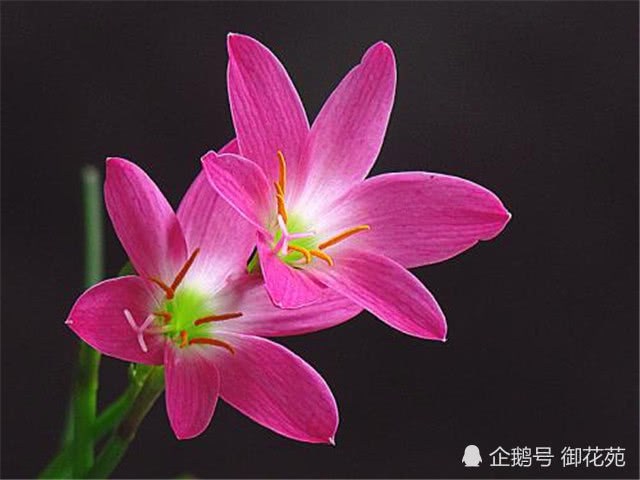
Gardeners who have grown rain lilies know that rain lilies are not too particular about the soil used for their care. Ordinary garden soil and leaf mold can both be used to plant rain lilies; then add some peat soil and perlite, water and fertilize normally, and there is no need to worry about the growth of rain lilies.
1. What soil do rain lilies use
Rain lilies do not need especially good soil for their care. They only need some rotten leaves, coal cinders, vermiculite and coarse chaff mixed together for planting, and the rain lilies will grow even better.
2. Caring for rain lilies in clay pots
Rain lilies can be planted in clay pots, which also have better drainage and breathability and are beneficial to root growth. Pay attention to controlling water, which can prevent the rain lilies' roots from rotting.
3. Keep the soil moist
Rain lilies can be sown on rainy days, which gives a higher survival rate. If sown in spring, by summer the rain lilies will bloom all over the pot, and the flowering period can reach 3 months. They can be planted on balconies and in courtyards as ornamental flowers.
4. Planting requirements for rain lilies
5-6 rain lilies can be planted in a flowerpot. Soil can cover them 2-3 cm deep, then prepare a medium flowerpot, not too deep and not too shallow. After sowing, water and fertilize normally and provide plenty of sunlight, and the rain lilies will also grow well!
Gardeners should now have some understanding of the soil methods for rain lilies. If the branches and leaves of the rain lilies are not very dense, some organic fertilizer can be applied, and by the time it rains they will burst into full bloom. Seeds must be sown when the temperature is above 20°C, so that the seeds can germinate and the flowers will bloom more beautifully!