Do this one thing when planting jasmine and it will settle into its pot fast, bloom abundantly, and flower for a long time
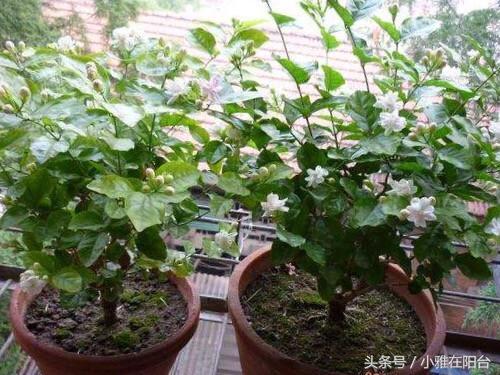
Jasmine flowers are pure white and fragrant, and its leaves are a lovely emerald green. Keeping a pot at home is practically like an air freshener. So how do you grow jasmine so it thrives and blooms abundantly? How do you repot jasmine and change its soil, and how should you transplant it so it survives smoothly?
When transplanting and planting jasmine, do this one thing, and it will settle into its pot fast, bloom abundantly, and flower for a long time!
For jasmine seedlings you bring home, you also need to pay attention to the planting method when potting them up. Also, once jasmine has grown for two years, it needs its pot and soil changed once, or its root ball refreshed. For the timing of transplanting and potting up jasmine, it is better to choose spring or autumn. Summer temperatures are too high and it is not easy for it to survive, and in winter it settles into its pot even less easily.
The pot for planting jasmine must be breathable; it is best not to use a porcelain pot. Choose soil that does not clump together when you squeeze it; the kind that turns to mud as soon as you water it will not do. When transplanting in spring or autumn, apart from being able to add a little base fertilizer in spring, do not add fertilizer at other times.
When transplanting, you must protect the soil ball around the roots and not shake it off. Keep the soil on the roots, and by no means trim the roots or anything like that. Only this way will it survive more easily, and after potting up it will not drop leaves or turn yellow.
After planting it into the new pot, press the soil down firmly, then water it thoroughly, and place it in a spot without sunlight that is fairly ventilated. After a week, give it sunlight again.
When watering, do not do it too often; water only when it has dried out, otherwise the roots cannot breathe properly and suffocate, unable to spread.
Transplanting jasmine also requires skill, and you should especially be careful when potting up not to damage the roots. You must keep the original roots, otherwise it will settle into its pot very slowly. When changing the pot, be sure to use ordinary garden soil or plain soil; do not use soil with too much fertilizer, otherwise the roots rot easily and it is very hard for it to settle in and survive.
During the settling-in period, that is, the recovery period, you must not fertilize. Wait until the roots have grown sufficiently and new leaves begin to emerge before fertilizing. Only then will jasmine grow more and more robust and bloom more.
Also, jasmine can be propagated by cuttings. Use the trimmed branches and leaves and insert them into loose, well-aerated soil. It has very strong regenerative ability and roots easily from cuttings.
When growing jasmine, give it plenty of sunlight, plenty of pruning, and plenty of fertilizer, and jasmine will keep sprouting new branches and leaves and new flower buds, blooming nonstop.