How to tell if a flowering plant has root rot? A few simple tricks to help you spot it early
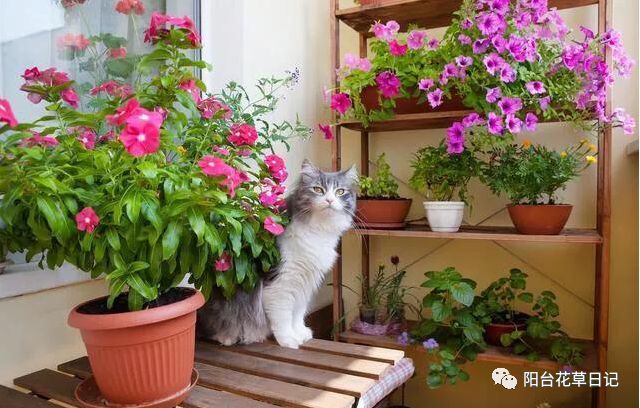
In the process of growing flowers, the most troublesome problem is root rot, because once you water too much, the plant's roots may rot, and it is rather troublesome to deal with. Some people also fail to notice that the plant's roots have already rotted, which causes the plant to die outright. So how can you promptly discover that a plant's roots have rotted?
So how exactly should you judge whether a flowering plant is already in a state of root rot? Just remember the four points below.
1. Observe the potting soil
To judge whether a plant already has root rot, you can choose to water it once during its growing period, and it is best to water it thoroughly. After two days, observe the condition of the potting soil on the surface again.
This is because a normal plant root system has a sound function of absorbing water. If the soil surface dries out and turns white, it indicates that the plant's roots are working normally and the plant has not developed root rot.
But if after two days you observe that the soil surface of the plant is still in a moist state, then it shows that the plant's roots are not functioning properly, and the plant's roots may already have rotted or show signs of rotting.
2. Compare leaf color
You can place two pots of flowers of the same type together for comparison, observe the condition of their leaves, and distinguish and compare the leaf growth and leaf color of the two.
If the plant's leaves are in a wilted state, the leaf color is dull and lusterless, and the leaf surface even shows an obvious grayish-white color, or too many leaves on the lower half of the plant have fallen off, then it shows that the plant's roots may already have rotted and the normal work of the roots has stopped.
3. Pay attention to the leaf tips
You can carefully observe the leaf tip parts of the plant and, based on the color or condition of the leaf tips, judge whether the plant already has root rot.
If the plant's leaf tips turn yellow or white, the leaf apex is in a scorched state, or small brown spots appear on the leaf tip parts, then it shows that the plant may have root rot.
This is because after root rot occurs, the roots directly become unable to breathe normally, and nutrients cannot successfully reach the leaf tip parts, which leads to the leaf tips turning yellow and scorched.
4. Rely on the feel
You can gently touch the plant's leaves to specifically judge whether it has developed root rot. This method is especially effective for foliage plants.
Generally, the leaves of a healthy plant feel quite good to the touch. If you touch the leaves, you will feel a cool, moist and comfortable sensation.
But if the plant has root rot, then because of the lack of nutrients, the leaf surface will lose its original cool feeling and feel rather shriveled and dry to the touch.
How to deal with root rot:
1. First aid for flowers
The yellow leaves, fallen leaves, withered leaves and other situations that appear in daily flower growing are mostly caused by root rot in the flowers. When you encounter this situation, do not worry. Since there is a problem with the roots, we start treating it from the roots. One tablet of medicine can save the flower's root system.
2. Repotting
Repotting can be said to be the only method. The original problems in the potting soil are improved by changing the pot and the soil. The method is also fairly simple. First separate the potting soil from the plant, wash the roots, cut off the rotted parts with a knife, and then dry the roots.
3. Disinfection and sterilization
After pruning off the rotted parts of the root system, it is best to soak the plant's roots in a potassium permanganate solution for one to two hours to kill the residual bacteria and pathogens on the roots. This step is also very important and can prevent the roots from rotting again.
4. Vitamin B12
After treatment, soak them in a vitamin B12 solution for more than ten minutes. Vitamin B12 also has a disinfecting and sterilizing effect. In addition, it can stimulate root activity, helping them quickly survive and take root. After this treatment, the plant can be repotted. After planting, you can also use a vitamin B12 solution to water the flowers, which can also help them take root quickly.
In addition, vitamin B12 can also be used as a foliar fertilizer. Spraying it on the leaves can increase the chlorophyll and glossiness of the leaves. Generally, after careful care, there is still great hope that the flowers will recover their condition.
▍Comprehensive editing: Balcony Flower and Plant Diary hcrj520