A new method for cooling and moisturizing hydroponic plants: nest two flower pots together and you won't have to worry no matter how hot it gets
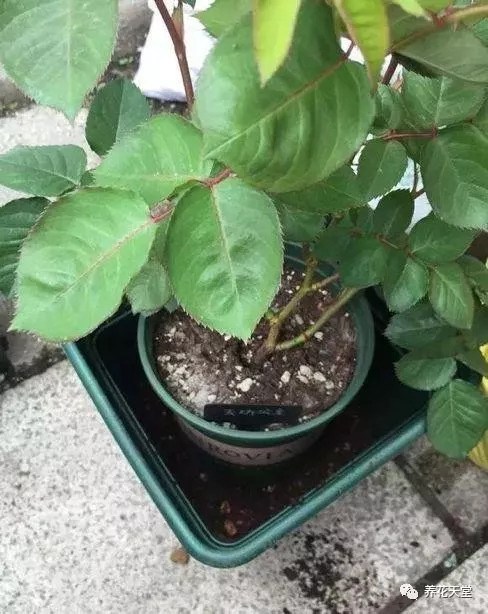
Pot nesting for growing plants is surely familiar to every experienced gardening enthusiast. This method can not only prevent flowers from dying from high temperatures, but also has other uses. So today we will introduce this simple little method that achieves multiple benefits at once. If you are a friend who has just started with potted plants, you might as well take a look, and perhaps you will be able to put what you learn to use.
Helps flowers get through summer
In summer, when temperatures are higher, flower pots also become relatively scorching hot. Generally, flowers grow quite rapidly in summer, and at this time their root systems also keep growing. When they touch the pot wall, the roots can be scorched. After nesting a pot around the flower pot, the gap between the pots can provide an insulating effect, effectively slowing the damage that temperature causes to the roots, thus allowing the plant to grow normally.
This method is very suitable for plants such as the rubber tree (Ficus elastica), red-back eucalyptus (Excoecaria cochinchinensis), dwarf dahlia (Dahlia pinnata), hibiscus (Hibiscus rosa-sinensis), and aster (Aster). It can let potted plants get through a safe summer. Not only do they receive normal light, but there is also no need to worry that higher temperatures will harm the plants.
Beneficial for moisture-loving flowers
Plants that can be grown both in soil and hydroponically can be given this method a try, because such plants have a very high demand for water. In fact, this pot-nesting method is also very popular in flower markets. Many vendors use this method to catch people's attention. In reality, it is just putting a very ordinary potted plant into a different carrier for cultivation.
If we make it ourselves, we only need to add some expanded clay pebbles to the small pot and put water in the outer flower pot. If you are growing moisture-loving plants like pothos (Epipremnum aureum) or spider plant (Chlorophytum comosum), then it is a very good fit. Potted plants grown this way not only have improved ornamental value, but also grow better themselves.
It should be noted that, in order to enhance water absorption, we can fix a cotton rope between the two pots.
To a certain extent, this method saves us the process of watering, but we should also promptly observe how much water is in the pot and add more in time when it is insufficient. If you have some hands-on ability, then we can also make a set of such "flower pots" ourselves, and a plastic bottle will do.
Can grow aquatic plants
Aquatic plants like water lilies (Nymphaea) can be grown using the pot-nesting method. You can grow the plant in a small flower pot and put water in a large vat. This not only adds to the plant's ornamental value, but also makes cultivation more convenient. Adding a few small goldfish makes it even more of a finishing touch.
It seems that the role of pot nesting is not only practical, but also enriches our potted plant growing techniques and opens up our thinking. In fact, growing potted plants is far more than the traditional idea of one pot and one flower. We can absolutely innovate and pursue things ourselves. As long as it can meet the plant's needs and allow flowers and potted plants to grow better, it does not matter whether it is one pot or two. Moreover, this method is suitable for most foliage plants and flowering plants, and is especially convenient for hydroponic plants.