Can't finish all the grapes in summer? Turning them into wine is just as delicious
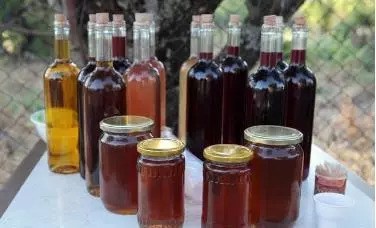
Wine is tasty, but it is not easy to make. Science Xingnong made watermelon wine, apricot wine, apple wine and mango wine this summer, and of course, grape wine was definitely made too. Overall, among the wines above, only the grape wine was tasty, followed by the apricot wine and apple wine. Actually, making wine is not complicated; the key is how to make healthy, delicious grape wine within this not-so-complicated process.
Quality grapes are the foundation.
Among all the fruit wines made this year, the worst-tasting was the watermelon wine, which had a kind of rotten watermelon flavor. It is not that Science Xingnong made it badly, but because of the limitations of the raw material. It is just like the wines from the world-famous grape estates: there are excellent vintages and poor vintages, and distinguishing excellent vintages from poor ones depends on the growing conditions of the grapes. So when choosing grapes, pay attention to choosing grapes with more sugar and sufficient sunlight. Grapes that taste astringent or out-of-season grapes are not worth wasting your energy on. Here are a few grape varieties to recommend: Cabernet Sauvignon, Cabernet Franc, Chardonnay, Riesling, etc.
Fermentation is the key.
There are many introductions online about how to ferment grape wine. If you only want to reach a drinkable level, then wash the grapes well, remove the bad grapes, dry them, crush them, put them in a jar, keep them at a suitable temperature, and after one month they can be drunk.
If you want to pursue a slightly better taste, then on the basis of the above, first, I suggest using yeast for fermentation. Although the white substance on natural grapes is yeast, grapes on the market today cannot be eaten with confidence without strong washing due to pesticide residues and so on. But after strong washing, the yeast on them is all washed clean, and what is brewed is no longer wine, but "vinegar" contaminated by miscellaneous bacteria, which tastes even more sour than vinegar. So after washing the grapes, using yeast for fermentation is relatively ideal.
In weather above 20°C, the next day you can see bubbles rising in the grape juice, so those who say to keep it sealed are basically asking the container to explode. It is best to cover the container with a sterilized cloth. Second, ferment with the skins on. The blood-red color of grape wine mainly comes from the grape skins. If you remove the skins before fermenting, then you will lose the pleasure of enjoying the color of the grape wine. In addition, the tannins in the grape skins are also an important part of the taste of grape wine. Only through fermentation can this substance give off its enchanting flavor. But if you want to make white wine, then do not add the grape skins. Third, sterilize thoroughly. In the process of brewing grape wine, the biggest fear is contamination by miscellaneous bacteria. The grape wine container and all utensils used must be thoroughly sterilized before use.
Full fermentation is the guarantee.
Generally, grape wine can be drunk after half a month of fermentation, but if you want the grape wine to be more pure, it is recommended to drink it within one to two years, because grape wine contains many impurities, and ordinary households will not add sulfur dioxide as a preservative, so it is recommended to finish drinking it within two days.
Suiting your own taste is the most important.
Homemade grape wine generally has an alcohol content of around 10 degrees, but some people do not like drinking "dry red." In that case, you can add a relatively large amount of white sugar during the brewing process to mix in. On one hand, it promotes the fermentation of the grape wine and raises the alcohol content; on the other hand, it can also increase the sweetness of the grape wine. Some people like drinking grape wine with a high alcohol content, so after the grape wine has been brewed for one month, after filtering out the residue, you can add white sugar and then add baijiu jiuqu and continue to ferment fully. After one month of fermentation, a high-concentration grape wine is made. Or you can make a set of distillation equipment at home and distill the grape wine, and a high-concentration grape baijiu is also made.
Although grape wine is delicious, homemade wine should be drunk in moderation.
During the brewing process of grape wine, because one's own household conditions do not allow it, neither the sterilization measures nor the temperature and humidity handling during brewing are ideal, so it is unavoidable that various harmful substances such as methanol are produced. So you can taste the delicious grape wine you made with your own hands, but do not drink too much.
This is Science Xingnong. You are welcome to add a follow and learn together.