How to grow Portulacaria afra? Keep it in a pot without leaf drop or wilting, and get several plants from one pot
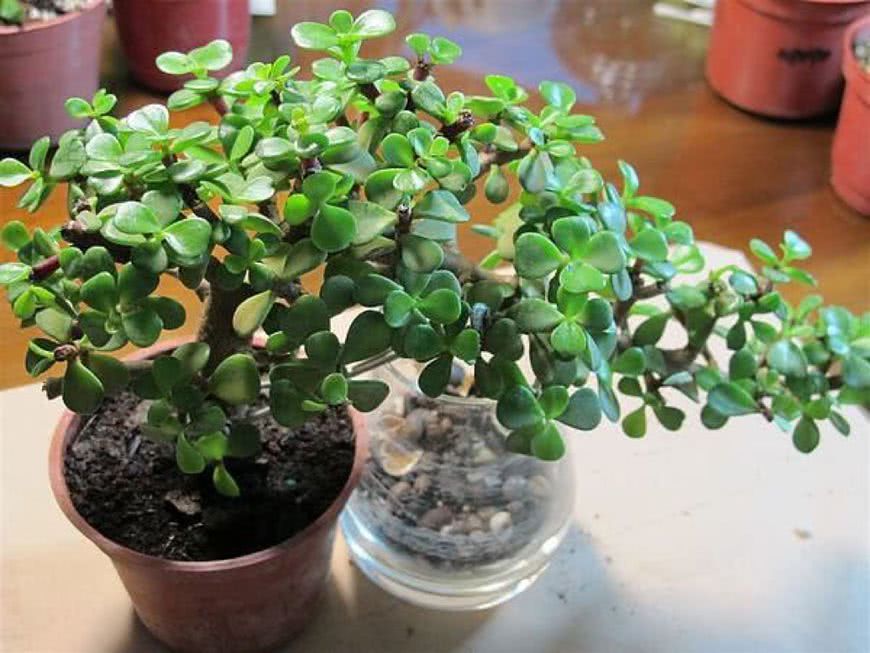
Portulacaria afra is a plant very popular among flower lovers. Its appearance is somewhat like that of the jade plant, its leaves are thick and fleshy, delicate and small, and the meaning of its name is also very good. Most importantly, it is relatively easy to care for. But in reality, many friends encounter leaf drop and root rot in Portulacaria afra, and the whole plant looks very listless, or even dies. Many flower lovers feel at a loss when this happens. In fact, this situation can still be remedied. Below, I will introduce some tips on growing Portulacaria afra.
Growing methods and precautions for potted Portulacaria afra
The branches and leaves of Portulacaria afra are relatively thick and fleshy and contain plenty of water themselves, so it is fairly drought-tolerant and should not be watered too much. Generally, you should follow the principle of "water thoroughly only after the soil dries out," otherwise too much watering can easily cause root rot and leaf drop. In daily care, it should also be placed in a ventilated spot and given scattered light; exposure to strong direct sun should be avoided.
If you find that Portulacaria afra has root rot, deal with it promptly, and it can still be saved.
Cut off the rotted roots and leaves promptly, wash the roots clean, then soak them in carbendazim. While dealing with the root rot, you can also prune it, which can prevent the branches and leaves from being too numerous and causing the plant to be top-heavy.
At the same time, replace the potting soil and choose loose, breathable sandy soil, or use nutrient soil mixed with vermiculite, perlite, and other loose soil. Once the root rot has been dealt with, the plant can be re-cuttaged into the new soil. With normal care, new roots will grow in one month. At this point, it can be placed in a ventilated spot with scattered light for normal care. After treatment, Portulacaria afra will quickly regain its former vitality.
The branches cut off during pruning can be used for cuttings. Generally, choose branches about ten-odd cm long for cuttings, and the survival rate is relatively high.
Especially now, in autumn, the plant grows vigorously and is suitable for cuttings. Place the cut branches in a cool, ventilated spot, keep the soil moist, and they will take root in about one month. By propagating through cuttings, one pot of Portulacaria afra can become many plants.
In daily care, also pay attention to preventing root rot. In addition to choosing breathable soil, the pot should also be one with good breathability; it is best not to use porcelain.
In autumn, the sunlight is not so intense, so Portulacaria afra can appropriately be placed outdoors more for care, given plenty of scattered light and good ventilation. At the same time, pay attention to properly loosening the soil and fertilizing, which can speed up its growth. In winter, the temperature is relatively low, so it is best to grow it indoors, pay attention to keeping it warm, and at the same time control the amount of watering.
The above is knowledge about potting this foliage plant, Portulacaria afra.