How do you water several common indoor plants, and how should you care for them so they look their best?
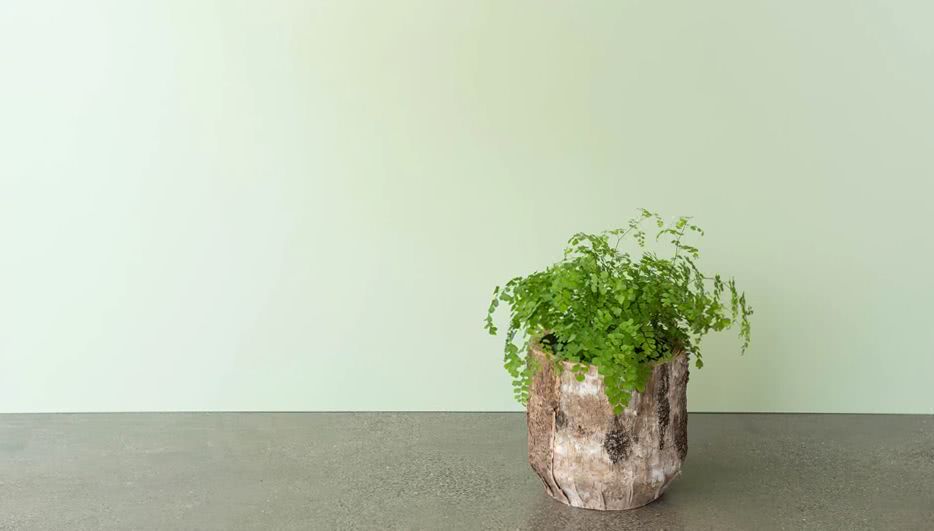
Indoor plants can grow vigorously as long as they are cared for properly. They are not only gorgeous decorations, but can also fill the whole house with vitality, and they can effectively purify harmful gases indoors and improve indoor air quality.
When beginners care for indoor potted plants, they usually do not know how to water them correctly. Too much water easily causes the plant roots and stems to rot, while if they are not watered for a long time, the plants easily wither and turn yellow.
Below are watering tips for several common indoor plants.
1. Maidenhair fern
The maidenhair fern (Adiantum) is a very delicate-looking fern. If it is left unattended, it will quickly die, but because its plant form is very fresh and elegant, many people still like to grow it.
Caring for a maidenhair fern requires frequently misting it with water to maintain high air humidity. The growing environment should avoid scorching sun or excessive direct sunlight; appropriate scattered light every day, or growing it indoors in a bright spot, is fine.
The most important thing is to prepare loose, well-draining sandy soil for it and keep the soil draining well. In spring and summer, you can water regularly to keep the soil moist. In autumn and winter, you can wait until the soil has dried out before watering thoroughly, but be sure to avoid a dry indoor environment, otherwise the leaves easily turn dry and yellow.
2. Boston fern
The Boston fern (Nephrolepis exaltata) is also a common indoor foliage plant. It likes cool, moist environments and does not like dryness or cold. During care, avoid freezing, and keep the minimum care temperature above 7 degrees.
If you are sensitive to pollen or floral fragrance, then you are well suited to growing a Boston fern; it will not cause allergies.
Caring for a Boston fern is also very simple. You can grow it in a bright indoor environment, or hang it in the air as a hanging basket plant. During growth, avoid direct sunlight and mist it regularly to maintain high air humidity, so it can stay vigorous.
3. Dracaena fragrans
Dracaena fragrans is a relatively tall indoor foliage plant, but if you grow it on a windowsill with scattered light and keep it in a warm, dry environment year-round, it can also produce brilliant, enchanting flowers. Its flowers have a strong scent that can fill the whole house.
When caring for Dracaena fragrans, avoid frequent misting; it is best to pour water directly into the soil. Avoid the soil being wet for a long time, otherwise the roots easily rot. You can wait until the soil 3~5 cm below the surface is dry before watering again. In autumn and winter, after the temperature drops, watering should be controlled even more.
If you want to grow a relatively drought-tolerant indoor potted plant, then growing a few pots of Dracaena fragrans is a good choice. They do not need frequent attention; just grow them in a bright spot indoors.
4. Mammillaria hahniana
If you do not want to grow an overly ordinary cactus ball, then Mammillaria hahniana is a good choice. It is a very unique cactus variety, with the whole globe covered in a layer of fine, soft white fuzz. It is also a relatively drought-tolerant succulent and likes a warm, dry environment year-round.
The spot where Mammillaria hahniana is grown should have appropriate light. Avoid frequent watering; do not water before the soil has dried out. Of course, also be careful not to pour water onto the globe itself, and the potting soil must not stay wet for a long time, otherwise it easily causes rot.
The care environment should stay ventilated and let light through, and the minimum care temperature should stay above five degrees.