Pruning Kalanchoe: With the Right Technique, Both Seedlings and Old Plants Grow into Beautiful Shapes Covered in Blooms
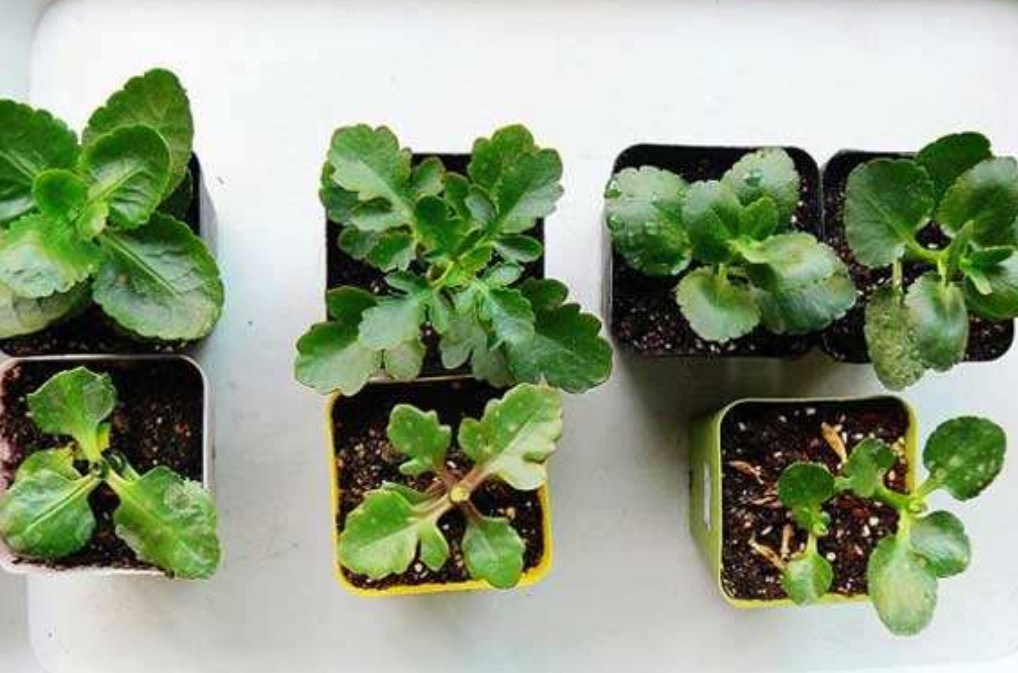
Kalanchoe is a winter- and spring-blooming plant loved by many gardeners. Because it is easy to grow, roots readily from cuttings, has an attractive shape, and blooms for a long time, it has gradually found its way into more and more homes in recent years. Experienced gardeners, through successful cutting propagation, have turned one pot of kalanchoe at home into many pots. Gardeners who have just started growing kalanchoe will have many questions during cultivation and when trying cuttings, such as when to pinch and top seedlings and how to prune after blooming? How can you encourage kalanchoe to bloom a second time faster? Here I share a few growing tips, hoping they will be helpful to fellow gardeners.
Propagating kalanchoe from cuttings is very simple; both leaf cuttings and stem cuttings root and establish quickly. Generally, once a seedling grown from a cutting reaches about 8-10 cm tall, it should be pinched and topped for the first time. Topping encourages kalanchoe to grow more side branches and helps the plant become fuller. After the side branches appear, continue pinching and topping. As for where to top and how many centimeters to keep, I personally think there is no hard rule; it is generally recommended to keep three pairs of leaves above the roots and pinch off the ones above. If you want a shorter plant, pinch a bit lower when topping. Generally, after three rounds of topping, a kalanchoe seedling can be kept at a height of about 15 cm, which makes the plant rounder and fuller. When the room temperature is between 18-28°C, together with sufficient light and a supply of phosphorus and potassium fertilizer, it can quickly form buds and bloom.
Some gardeners grow kalanchoe as old plants with a shape reaching about 40-50 cm tall, and after several post-bloom prunings the shape is just as round and full. For kalanchoe that has passed through its summer dormancy, if it grew leggy in summer, you can shorten and pinch the leggy branches according to the plant's shape and growth, and at the same time remove aging yellow leaves to encourage side buds to sprout. Topping should be done before September as much as possible, because after September the temperature gradually drops and kalanchoe enters a period of vigorous branch and leaf growth; later, early-blooming plants may enter flower bud differentiation ahead of time before October, and topping at this point may remove flower buds that are differentiating, affecting bloom time and quantity to some extent.
If you want kalanchoe to have a beautiful shape, pruning after blooming is also very important. It is generally recommended to cut at the second pair of leaves below the flower after the blooming period, though this should also be chosen according to personal preference and different varieties. Some varieties have longer internodes, so you can prune a bit lower. Pruning encourages more side branches to sprout and increases the number of blooms. After pruning, promptly apply a balanced compound fertilizer containing nitrogen, phosphorus, and potassium. After new branches grow, maintain a temperature of around 20°C and 6-8 hours of short-day light, reduce nitrogen fertilizer intake, and apply more phosphorus and potassium fertilizer to encourage a faster second bloom.