Prune your kalanchoe a few cuts in August, 3 steps to a big flower ball by National Day
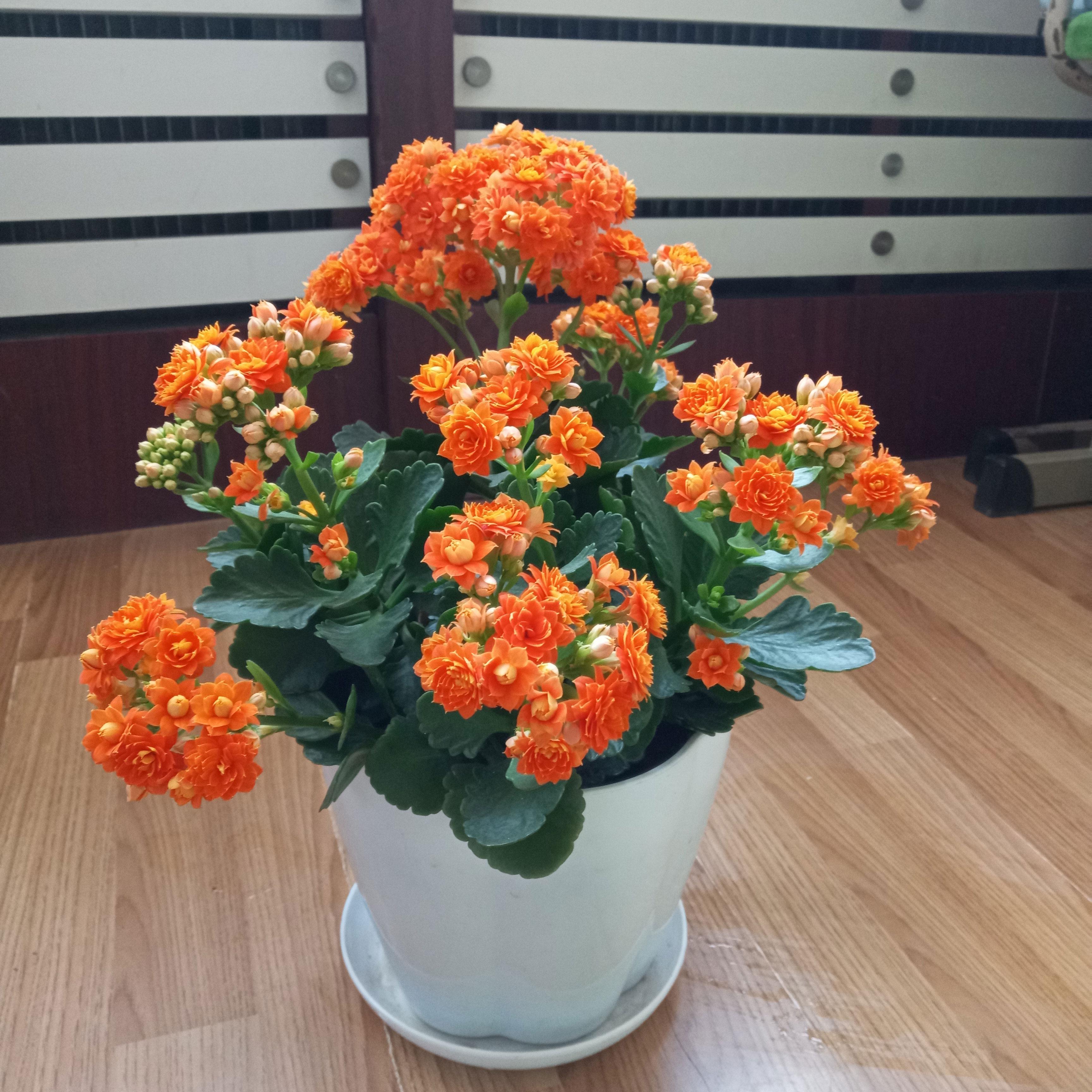
Autumn has arrived, and the earth is wrapped in a hint of coolness. In most regions, temperatures sit around 15-25 degrees, a suitable temperature at which flowers and plants all awaken from their summer dormancy. After a whole summer, is your kalanchoe doing well? Many people are rather clever and gave their kalanchoe a close shave to get it safely through summer. Now it is slowly recovering its growth, getting ready to burst into flower for National Day.
As long as you control the watering well, the kalanchoe is fairly easy to keep alive, but many flower lovers grow it tall and leggy and hardly see a few blooms. What exactly is going on? This is because plant growth has apical dominance: during the plant's growth process, nutrients are preferentially supplied to the top branches and leaves, and it keeps growing upward, so in the end it can only bloom at the top and cannot burst into a big flower ball.
So, right now at the end of August, the period from late August to early September is a good time to pinch and top your kalanchoe. If your kalanchoe has already produced buds, then do not top it again, just supply it with fertilizer well.
Pinching, topping and thinning out branches, the three steps. If you want your kalanchoe to bloom in a full pot, you have to be ruthless: just keep the lowest two layers of leaves on each main branch and cut off everything above that, so as to provide more growing space for the side branches. When the new side branches grow more than two pairs of leaves, we can pinch the side branches by hand, removing the new shoots above the two pairs of leaves on the side branches, prompting the side branches to differentiate secondary shoots, making the kalanchoe's plant shape fuller, so that as soon as it blooms it turns into a big flower ball.
Do not be reluctant to cut it off, it will grow back very soon. After providing enough growing space for the side branches, we then need to fertilize the kalanchoe to strengthen the roots and leaves and promote the differentiation of side buds. Every 10 days, give the kalanchoe an organic nutrient solution containing more nitrogen, using it according to the instructions, and keep using it until flower buds appear.
At this point the branches will grow thick and dense, so it is time to thin out the branches of your kalanchoe. Thinning out branches means removing the thin, weak or diseased branches at the base of the main stem. It can increase the ventilation inside the plant, prevent pests and diseases, and also promote the inner branches to grow relatively strong, with abundant buds and many flowers.
October is the early bud stage for kalanchoe. Once your kalanchoe shows flower buds, do not give it nitrogen fertilizer; switch to an organic nutrient solution specially for promoting flowers, with sufficient phosphorus and potassium, so that the kalanchoe can bloom to its heart's content, with more and stronger flowers, and it can also help extend the flowering period.
If you want your kalanchoe to burst into a flower ball in golden autumn October, do these steps well now, prune it quickly so it grows more flower buds, add some nutrients, and then you will not have to worry about having no flower ball to admire.