How to grow a rubber plant? Pay attention to these points for stronger growth
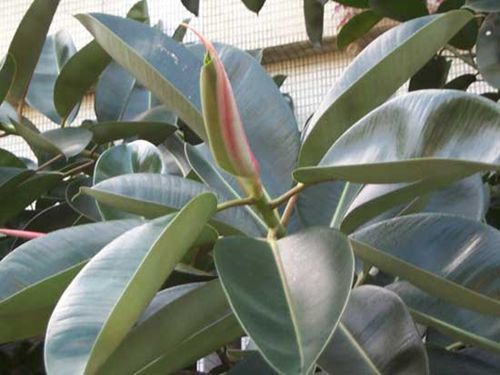
To grow a rubber plant, you can use loose, fertile sandy soil, keep the soil moist, and fertilize moderately, but use less nitrogen fertilizer. Normally it needs plenty of sunlight and growing conditions with air circulation. Propagation can be done by the cutting method, and common diseases must also be prevented and controlled.
The rubber plant likes a hot, humid environment with plenty of sunlight, and it can also tolerate shade but not cold. The black prince rubber plant likes sunlight and loves to chase the light, so it needs to be turned every ten days or so to prevent lopsided growth. Wait until the soil is slightly dry before watering, the roots must not lack soil, and fertilize moderately every month. : In summer, pay attention and keep it thirty centimeters away from glass windows to prevent the strong sunlight from scorching the tender leaves.
I. Growing Environment
1. Potting soil preparation for growing rubber plants
The rubber plant likes fertile, loose sandy soil. The growing soil can use a mix of leaf mold, garden soil, and river sand at 1/3 each, plus a small amount of cake fertilizer as base fertilizer. During the young plant stage, it is best to repot once every other year. The rubber plant likes loose, fertile sandy soil, and a growing soil mixed from leaf mold, garden soil, and sandy soil can be used.
2. Watering method for growing rubber plants
The rubber plant likes moisture and humidity, but dislikes waterlogging and cannot tolerate drought. In spring and autumn, the potting soil should be kept moist, and water should often be sprinkled on its leaves and around it to increase air humidity.
In summer, the rubber plant needs a larger amount of water, and it must be watered every day to keep the potting soil moist, while also increasing the frequency of sprinkling. When the temperature is lower in winter, it is better to water so that the potting soil is on the moist-to-dry side, but if the winter temperature is around 10°C, the potting soil should be kept moist, because when the potting soil is rather dry it easily drops leaves. In spring and autumn, keep the soil moist; in summer, the demand for water is very large, so water every day, appropriately increase the amount of watering, and often spray water on the leaves or around it to raise the air humidity; in winter, keep the soil slightly dry.
3. Fertilizing: Fertilize moderately, but use less nitrogen fertilizer, because too much nitrogen fertilizer will cause leggy stems and leaves. During the growing period, apply decomposed liquid fertilizer every 20 days. To control the height of formed plants, apply a mixed liquid fertilizer once every 2 months during the growing period.
4. Light: To make the rubber plant grow better, it needs plenty of sunlight. When growing it indoors, place it in a spot with plenty of sunlight, and also pay attention to letting the air circulate appropriately.
The rubber plant likes a warm, humid environment with scarce sunlight, and it can also tolerate shade somewhat, but not cold. It requires fertile, loose soil and grows well in neutral or slightly acidic soil. When potted, it is best to use a growing soil made from leaf mold, grass ash soil, plus about 1/4 river sand and a large amount of base fertilizer. Normally keep the soil moist, and apply a dilute liquid fertilizer once every 15-20 days. In the low-temperature season of summer, the rubber plant grows relatively fast, so it should be given more water and less fertilizer, but avoid water accumulating in the pot. After autumn begins, gradually increase fertilizing and watering to promote full plant growth, which helps it overwinter. Because the rubber plant likes sunlight, from spring to autumn it should be placed outdoors in a sunny spot for care; if it is left in a shaded place for a long time, it easily causes the leaves to turn yellow and drop. It likes sunlight, but it is also fairly shade-tolerant. When watering, often use overnight tea, spray the whole plant often, and frequently wipe the leaves clean with a damp cloth, which is good for photosynthesis.