These 2 flowers contain toxins; vendors do not grow them, yet some people keep several pots. Be cautious.
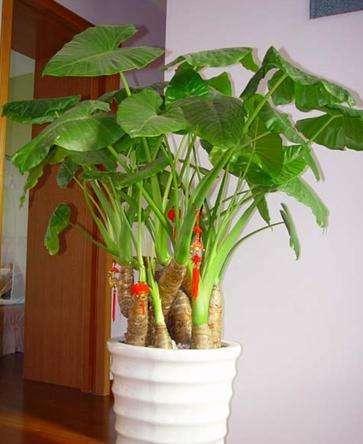
There are especially many types of potted flowers. I believe that people who love growing flowers will browse the flower market from time to time, and after each visit they will certainly not go home empty-handed, either bringing back a pot of flowering plants or carrying home a pot of foliage plants. In fact, although some flowers are very common, they are not necessarily suitable for growing at home. These flowers have lush branches and leaves all year round, but they have one drawback: they contain toxins. Poisonous flowers, no matter how cheap, should not be bought and kept at home. After all, such flowers are bad for your health. As the vendors at the flower market say, they never grow these flowers at home themselves, yet plenty of people buy them. The 2 flowers discussed below are varieties that contain toxins, so be more cautious when growing them in the future.
Dumb Cane (Dieffenbachia)
The sap of this plant contains quite a lot of toxins. Once human skin touches it, redness, swelling and numbness will appear. In particular, it must not touch the eyes, otherwise temporary blindness will occur. The toxicity of Dumb Cane is among the stronger ones among foliage plants. The reason many people are still willing to grow it at home is, first, because of its name, thinking that the word Guanyin in "Dishuiguanyin" carries a beautiful meaning. Second, because its leaves do not turn yellow all year round, are glossy green and it is easy to care for. Although this potted foliage plant has so many advantages, just because it contains toxins, it should not be grown at home.
Poinsettia
Many flower lovers know that this flower is highly toxic; two or three grams can poison livestock to death. Yet this flower, powerful as it is, grows beautiful leaves and flowers, with bright colors comparable to roses. Many people think this flower is brightly colored with extremely high ornamental value, so they grow it at home. If it did not contain toxins, the plants selling out in the flower market would definitely not be pothos and money tree, it should be poinsettia! What a pity. Poisonous flowers are still something many people avoid. As for this poinsettia, it is actually very easy to care for, with strong adaptability, and an ordinary environment will do. If you have a small yard at home, you can grow a few plants; planted in the ground they will surely be very beautiful.
If these two flowers cannot be grown at home, what plants are most suitable to grow?
Clivia (Clivia miniata)
This flower is the variety I most recommend to everyone. Because Clivia not only blooms beautifully, but also has a good meaning, symbolizing that the head of the household has the demeanor of a gentleman. In addition, if you observe the households around you, many people keep a pot of it in their living rooms. Especially those slightly older flower lovers, they raise Clivia like a child, caring for it so thoughtfully. The Clivia they grow not only does not get stuck arrows, it blooms nonstop; many people even have it bloom two or even three times a year!
To grow Clivia well, you must pay attention to a few key issues. First is the soil. It is most suitable for growing in a loose, fertile, slightly acidic environment containing a large amount of humus. So the nutrient soil must be homemade; that way, you decide the nutrients yourself. Add whatever should be added, such as leaf mold and manure, and it will certainly grow more and more vigorously. Second is watering. As the saying goes, watering takes three years of skill. Only by watering properly will the leaves not turn yellow. When watering Clivia, you must follow the principle of "do not water if not dry, and when you water, water thoroughly." In daily care, fermented rice-washing water can be used as a substitute.
That is all for sharing knowledge about growing flowers at home. Thank you for reading!
Remember to like and share!