Rose cuttings always get black stems? This step wasn't done right
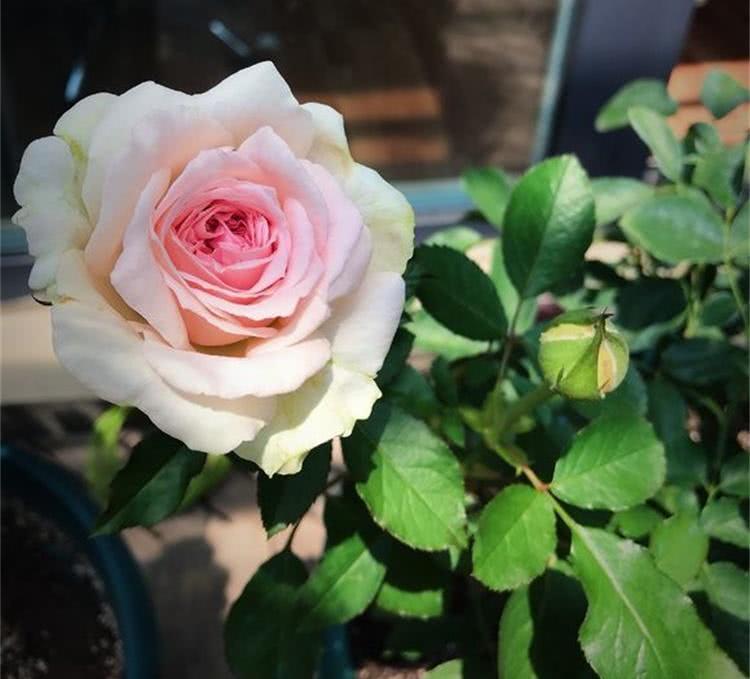
Roses are one of the most popular flowering plants. Because they come in so many varieties and bloom so brilliantly, keeping one or two pots at home not only decorates your home but also adds a bit of fun to life. But if you want to grow roses well so they bloom and several pots bloom at the same time, you have to put in extra effort.
For many flower lovers, cuttings are one of the fastest ways to propagate roses. A single stem can grow a whole rose plant, which is very fun and also economical. But when taking rose cuttings, the biggest headache for flower lovers is the black stem problem. Once black stem occurs, it means the cutting has failed.
So how can you avoid rose "black stem"? Actually, as long as flower lovers do this one step well before taking cuttings, you can easily avoid rose "black stem". That step is: disinfection. So today, Gu Niang shares a few good methods for disinfecting rose cuttings. Take them, no need to thank me.
Method 1: High-temperature disinfection
You can steam the growing medium at high temperature or heat it at high temperature to sterilize it, or you can put the growing medium under the sun to dry it, but remember to spread it thin. This way, besides high-temperature sterilization, the sun's ultraviolet rays can also do a very good job of sterilizing.
Method 2: Potassium permanganate disinfection
Dilute 0.5% potassium permanganate with water, put it in a spray bottle, and spray the growing medium. Then cover the growing medium with a layer of plastic film and fumigate for about 4 hours. You can also spray the growing medium with a 2% to 3% ferrous sulfate solution, but make sure to use a coverage amount of 5 kg per sq m. Then after two days you can take cuttings.
Method 3: Pesticide disinfection
This method is the simplest, and many flower lovers use it too. Mix carbendazim into the growing medium; the specific amount can be mixed in according to the instructions, then cover with film for 3 to 4 days. After that, wait one more week, and you can take cuttings. You can also dilute carbendazim wettable powder with water at 500 times, put it in a watering can, and spray-water the growing medium to disinfect it. After 24 hours, disinfection is complete, and you can take cuttings.
Finally, note here that the growing medium used after cuttings cannot be used again directly. If you want to use it, it still needs to be disinfected again to ensure the growing medium is relatively sterile. It is best to replace the growing medium regularly to ensure the cuttings grow into healthier seedlings. After the seedlings emerge, dilute rose-specific organic liquid fertilizer with water at 1000 times, put it in a spray bottle, and spray-water it to supplement a light fertilizer, promoting faster growth and development of the seedlings. This way the seedlings can grow up quickly.
Alright, the above is the key step to solving "black stem" in rose cuttings. Have you learned it?