Roses have just survived the summer tiger, and now the autumn tiger is here again
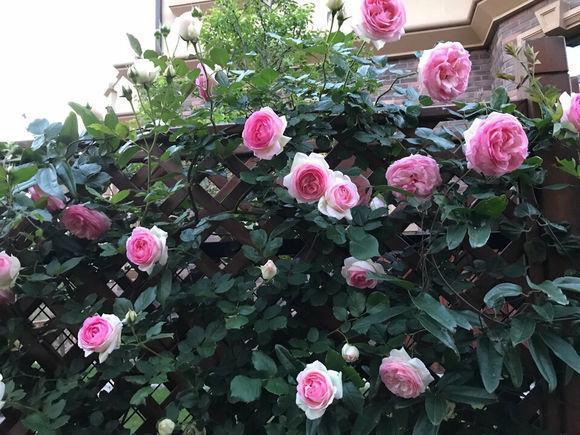
Roses not only have brilliant colors and vivid blooms, but they are also especially tough and able to take a beating. Just look, they have just finished fighting the summer tiger; some have grown stronger with each battle, while others are half dead, and now they are about to face a new enemy, the autumn tiger.
As the high temperatures of summer persist, many roses begin to enter a dormant state in order to protect themselves, preserving their strength to welcome the next cool autumn and fully bloom with their beautiful figures. But the beginning of autumn does not mean everything is fine. The autumn tiger is watching eagerly, so hurry up and bring out your big moves to let your roses fight bravely in autumn and bloom even more beautiful flowers.
Countermeasure 1: Plenty of water
Since the beginning of autumn, the weather has still been especially hot, and it has become even drier. The water in the rose soil also evaporates relatively quickly. If the water supply cannot keep up, rose leaves are prone to wilting, so watering sufficiently is one of the ways to deal with the autumn tiger. It can prevent rose leaves from being scorched by the blazing sun, high temperatures, and lack of water.
Autumn watering method
Many flower growers say they do not know when roses are short of water. First, you can look at the surface of the potting soil. If it turns slightly white, it is time to replenish water promptly. Generally, water in the morning or evening, and stop watering once water flows out from the bottom of the pot.
After about 10 minutes, pour out the water that leaked into the tray, then use a spray bottle to water slowly again until water flows out from the bottom of the pot. The purpose of watering this way is to ensure the water is distributed relatively evenly and that the soil does not stay dry in some areas because of watering too quickly. This is what we usually call half watering, because when the water does not penetrate thoroughly, it is very easy for rose roots to absorb insufficient water, causing the plant to wilt.
Countermeasure 2: Light fertilizer and light water
As autumn arrives, the temperature gradually drops, and the amount of fertilizer and water should also gradually increase. Do not use heavy fertilizer and heavy water at first; instead, use light fertilizer and light water, which is what we call applying thin fertilizer. If in summer you used a special nutrient solution for roses diluted 800 times with water, at this time you should still dilute it 800 times with water. Do not be impatient; slowly increase the amount of fertilizer, so as to promote rose root growth, bud formation, and more blooms.
Once the temperature drops below 30 degrees, fertilization can follow the spring amount, roughly diluted 500 times with water, and it is better to use it once a week. If you suddenly increase the amount of fertilizer used, rose roots will not adapt and will not absorb nutrients smoothly. Autumn is originally a period of vigorous growth, but instead they become defeated by the autumn tiger.
Countermeasure 3: Give roses a bath around the pot
You may not have thought of it, but roses not only need a bath, they also need a bath around the pot. Usually we spray water on rose leaves and plants in order to lower the temperature and allow roses to absorb water and nutrients better.
At the same time, we can also spray water around the pot or on the pot walls. The purpose of doing this is to cool the roses from the outside. If you keep spraying water only into the pot, it is easy to cause water accumulation in the rose potting soil, leading to root rot and yellow leaves, while spraying water from the outside avoids this concern.