Use this common household water for watering flowers, and even the hardest plants to grow will thrive
After growing flowers for a long time, you naturally pick up some little tricks, such as watering flowers with rice water, or watering flowers with beer diluted in water, and so on. In fact, the techniques for growing flowers are endlessly varied, and most of them come from everyday life. And only a devoted flower grower can keep discovering the secrets of growing potted flowers. Some people may grow flowers for a year or two and still not get the hang of it, while others may figure it out in a month. In the process of growing flowers, what matters most? It is not fertilizing, nor is it light. It is the most ordinary thing: "watering." Water properly, and the flowers will grow well.
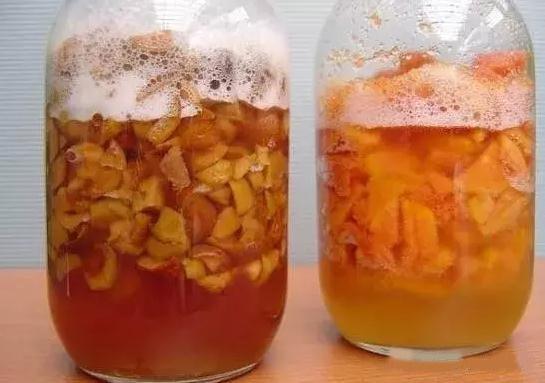
Next, I will share with fellow flower lovers a kind of watering water that is also commonly seen in daily life. Use it to water flowers, and even the hardest plants to grow will thrive. This kind of watering water is the "fruit peel enzyme" made from various kinds of fruit peels.
Perhaps some flower lovers will doubt how this stuff can be used to water flowers. In fact, using this water on flowers not only does no harm, but makes potted flowers grow stronger, with better and better root systems, and leaves that become more glossy green. The reason this watering water is said to be so practical is naturally that it has been tested by many experienced master flower growers. It is a liquid made by letting various fruit peels, such as peach and watermelon peels, accumulate and ferment over a long period in a sealed container. It is rich in nitrogen, phosphorus, potassium and vitamins, all of which are good substances that benefit flower growth.
The liquid fermented from fruit peels is generally called fruit peel enzyme, and it is also a slightly acidic liquid. After it is poured into some potted flowers, it will change the pH of the soil. This makes the soil environment for the flowers more favorable for growth. For example, common plants such as spider plant, clivia, pothos and gardenia all like an acidic soil environment. Using fruit peel enzyme to water flowers is a truly all-purpose watering water; it not only gives the flowers moisture, but also gives them nutrients. Of course, making fruit peel enzyme also has some particular requirements.
First, rinse the fruit peels clean, then cut them into small pieces with a knife. After that, find a larger-capacity mineral water bucket or oil drum, scrub it clean, and throw the fruit peels in. Then fill it with water and seal it well. Put the container in the sun for about two weeks and fermentation will be complete. The liquid produced is the special flower-growing fertilizer known as fruit peel enzyme. Quite a few people find that after this stuff ferments, the odor is not small. Don't worry; after it is made, you can toss in some orange peels. At the same time, before watering flowers, this liquid also needs to be diluted. After dilution, the enzyme smell is not so strong. The purpose of dilution is also to avoid burning the flower roots.
Using fruit peel enzyme to water flowers over the long term is much more practical than rice water. Even though clivia is so hard to grow, as long as you water it with fruit peel enzyme once or twice every month, the leaves will visibly become glossy green and bright.
Finally, a few details to note about growing flowers in autumn. Now we are gradually entering autumn. This is the peak growing season for most plants, and also the best time to repot potted flowers and change their soil. For some flowers, it is recommended to repot at this time and check the integrity of the root system. This helps them get through winter. Be sure to remember this!
That is all for sharing knowledge about growing flowers. Thank you for reading!
Remember to like and share~