An inconspicuous wild grass by the roadside can lower blood pressure, grows fast in a pot, and you can pick it whenever you want to eat it
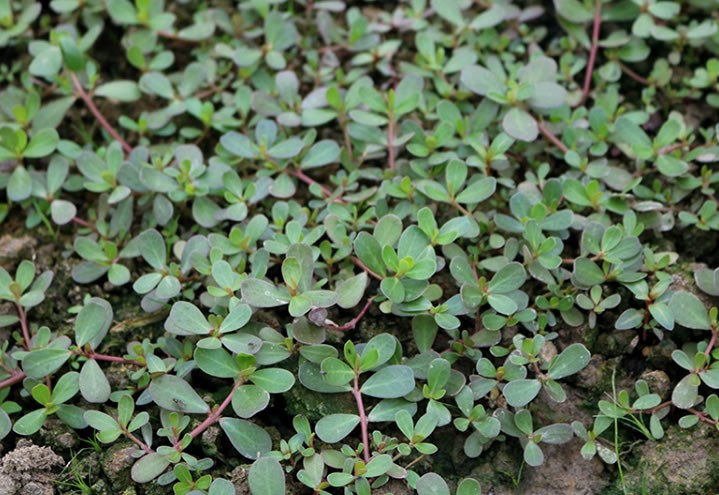
Purslane is a wild vegetable that grows everywhere in my hometown. It used to be an inconspicuous wild grass and weed, fond of growing in moist fields, along roadsides, or in corners of courtyards, and sometimes it was pulled up along with the weeds during weeding. But this inconspicuous wild grass is a great treasure for "lowering blood pressure."
Nowadays, in city vegetable markets, you can occasionally see it too. Some vendors pull it from the fields, tie it into bundles, and sell it, fetching over ten yuan per jin, more expensive than other vegetables, mainly because of its medicinal value.
Purslane is also called horse-tooth vegetable or longevity vegetable, named for its horse-tooth-like appearance. It is generally reddish-brown and is a wild vegetable that is both a medicine and a food. It clears heat and removes dampness, detoxifies and reduces swelling, lowers blood cholesterol concentration, and improves the elasticity of blood vessel walls. It is very beneficial for preventing and treating cardiovascular diseases and is a good thing for "lowering blood pressure."
Purslane has fleshy leaves and stems. It is usually steamed and then served as a cold salad. Besides containing various vitamins and carotene, it also contains acidic substances, so it tastes slightly naturally sour, but the overall texture is fresh, fragrant, and smooth, very delicious.
Friends who want to eat wild vegetables don't need to think about going out to find them. We can grow purslane in pots from its branches, and it grows quite fast.
Potted purslane is mainly propagated by sowing, and in autumn it can also be transplanted from mature old plants into flower pots. A larger flower pot for cultivating purslane is good for its growth, with a diameter above 30 cm being best. Purslane is not strict about soil, but fertile, loose sandy soil can make purslane grow fast and produce a high yield.
The suitable temperature for purslane growth is 20-30°C. It likes fertilizer and water and tolerates strong light. For potted purslane, be careful to often place it somewhere that can receive sunlight. Water according to the rule of "do not water until dry, and water thoroughly when you do," avoiding water accumulation in the pot soil, otherwise it will cause root rot.
Purslane is a natural green wild vegetable. When potted, it almost never suffers from pests or diseases, and it is easy to grow and keep alive. Moreover, it can be like chives: cut it and it grows again. When harvesting, just be careful to leave about a 5 cm main stem above the roots, and it can continue to grow. After 1-2 weeks it can be harvested again, and you can pick it whenever you want to eat it.