How do you solve the most common problems with asparagus fern? All the methods are here
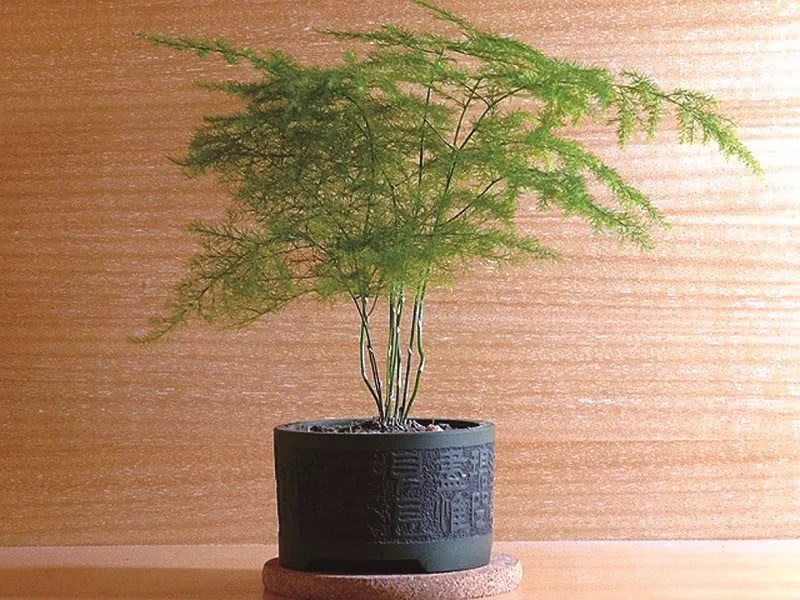
Gardeners who have grown asparagus fern (Asparagus setaceus) probably know that it is a rather special plant. So, do you know how to solve the following most common problems with asparagus fern?
The first and most common problem with asparagus fern is rampant, leggy growth. Once the asparagus fern at home has been grown for three years, it will start growing out of control. Sometimes its branches can reach one or two meters tall. Some gardeners think this is fine, but if you are judging it as a bonsai, its ornamental value becomes much smaller.
If you want the asparagus fern to grow more slowly, then at this point you need to use chlormequat. Mix it with water, then use it to drench the roots of the asparagus fern. This can inhibit the growth of the asparagus fern while making the plant look short and green.
If you don't want to use chemicals to control it, you can use pinching to control the growth of the asparagus fern. When the plant grows especially tall, pinch off some of its branches to control its height.
Many asparagus ferns grown by gardeners have dry tips and yellow leaves. There are three reasons for this. The first is a problem with the potting soil. Many gardeners use garden soil for cultivation. This soil is fairly heavy and clayey and is very prone to compaction, which affects the absorption of water.
The second is watering. Many gardeners, when watering asparagus fern, always wait until the potting soil is completely dry before watering it, and this affects the growth of the asparagus fern. So normally, you should keep the potting soil slightly moist to avoid affecting the growth of its leaves.
The last reason is excessive light. Asparagus fern likes to grow in diffused light. If you put it on a south-facing balcony to care for it, it will develop dry tips and yellow leaves because the light is too strong. You can put it by a north-facing window or in the living room instead.
If you find that the asparagus fern you are caring for has no shape, then at this point you need to prune it. Cut off all its messy, tangled branches and keep the plant with a mix of tall and short growth, with the branches on the left and right sides distributed fairly evenly. This way, the asparagus fern will look well-shaped and have fairly high ornamental value.