What to do if your clivia goes dormant? Add a little of this to the pot, and the green leaves will grow like crazy and it will bloom by the end of the year
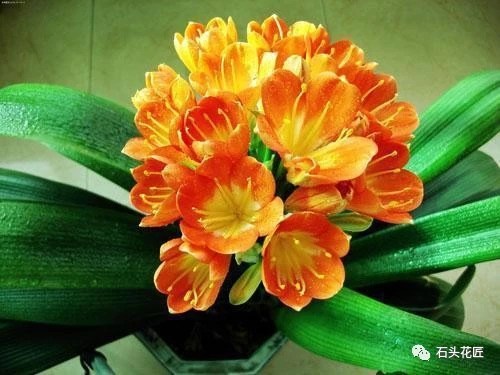
Clivia is a houseplant that many flower lovers adore, with a row of glossy, dark green upright leaves that symbolize an unyielding, steadfast and upright noble character; growing it indoors implies that the owner possesses such noble character. So when growing clivia indoors, only when it grows dense and vigorous and full of life can it better reflect a family's vitality and prosperity. But these past few days some flower lovers left messages saying their clivia did not move at all all summer, as if in a false death, not growing a single leaf.
In fact, after the Start of Autumn is the most suitable time for clivia to grow. Entering autumn, the indoor environment goes from scorching heat to cool, and for clivia this is exactly the time when it grows rapidly and stores nutrients, because after winter arrives, clivia will develop flower buds and open its flowers. When growing clivia at this time, you must pay attention to care techniques and methods, mainly fertilization, watering and light.
Fertilization especially, because as the old saying goes, good crops need a handful of fertilizer. If you want your clivia to grow well and bloom by the end of the year, fertilization is crucial. Today Shitou shares two kinds of fertilizer with you; just add a little "of it" to the clivia pot. It will make the clivia come alive with vigor within a month, grow new leaves, and after storing nutrients it will bloom by the end of the year.
Vitamin B12
Everyone knows vitamin B12 is a common household edible medicine, but you may not know that vitamin B12 is also a good fertilizer for growing flowers. Because plants also need a lot of vitamins to grow, take one tablet of vitamin B12 and dissolve it in 500 g of clean water, pour it into the clivia pot, and water with the vitamin B12 solution once a week; it will speed up the growth of the plant's root system and promote the absorption of nutrients.
Bone meal
Bone meal is actually very simple to make; it is just the chicken bones and pork bones we see every day. Bones are rich in elements such as nitrogen, phosphorus, potassium and calcium, which are essential elements for plant growth, so we collect the bones, soak them in clean water for a day to leach out all the salt, then put them outdoors to dry for ten days. After the bones are completely dry, smash them with a hammer, the finer the better. Then dig 2-3 small holes in the clivia pot and bury the bone meal in them; this way you can provide the clivia with rich nutrients, simple and convenient.
Of course, bone meal also has a very good way to be used: put the crushed bone powder together with orange peel and pine needles and ferment them for three months. The fermented fertilizer is very rich in nutrients; use it every year when repotting and adding soil for the clivia, and then basically you will not need to fertilize the clivia for a whole year. It is a slow-release fertilizer.
Because we have now entered autumn, you must hurry when fertilizing the clivia. Start giving the clivia vitamin B12 at this time, fertilizing once a week, twice is enough. Then start making bone meal from now on. After two weeks you can bury the prepared bone meal in the clivia pot. Under the double effect of the vitamins and bone meal, the clivia's root system will grow strong and the pot will be full of nutrients, so it will surely grow lush and bloom beautiful flowers by the end of the year.
If you find this useful, please like, follow and forward it to more friends below.
I am [Shitou Huajiang], and I share little tips on growing flowers every day. Remember to follow me.