How to grow campanula? A healing potted plant with strings of little bell-like flowers
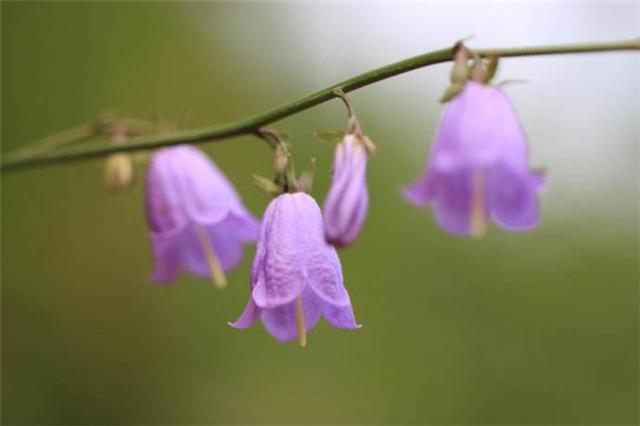
Campanula is a beautiful herbaceous plant, mostly native to the Northern Hemisphere, widely distributed in the mountainous areas of southwest China, with quite a few varieties, about 20 or more. The tops of the flowers usually bear several blooms, and the flower colors are vivid. Gardeners all want to transplant campanula into flower pots for container growing, but many gardeners do not quite understand how to grow campanula. Let us find out together.
Tips for growing campanula in pots
1. Campanula is afraid of high temperatures and cold weather. It needs plenty of sunlight, but must not be exposed to scorching sun. A semi-shaded environment can be chosen for container growing, which prevents the leaves from turning yellow and withering due to excessively high temperatures and causing the plant to die. In winter, attention must be paid to keeping it warm, otherwise it will also cause the campanula to die.
2. Campanula does not need much water to grow and can tolerate drought. It needs a flower pot with loose, breathable soil and good drainage, so as to avoid too much water causing root rot and leaves turning yellow and withering.
3. Campanula propagation. Campanula propagation is mainly by sowing flower seeds. Planting in the latter half of each year is most suitable, and then it can simply be planted in a flower pot with good breathability.
4. Fertilizer requirements. Common organic fertilizer can be used, as long as it ensures what the campanula needs for growth, and note that when the campanula grows too tall it needs pinching out the tips and timely repotting.
5. Preventing pests and diseases. The main thing is to control aphids and red spider mites, preventing them from damaging the leaves and the plant, sucking out the plant's nutrients and causing the plant to wither and die.
Gardeners now have their own insights into campanula care and management. For campanula to grow better, it must not be watered too much, its height can be controlled in time, and attention must be paid to preventing pests and diseases, so that every string of campanula flowers grows into little bells.