Little tips for growing campanula: when it blooms, it looks like a string of little bells
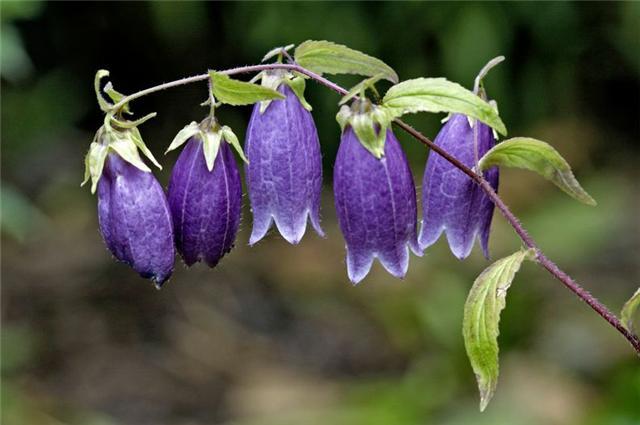
Campanula is a plant native to southern Europe. Since it was introduced to China, its beautiful appearance and lovely symbolism have made it a very popular ornamental plant in the country, and it also has medicinal properties that are highly beneficial to people's health. Gardeners have been sowing it one after another, but not quite understanding the growing methods, which has led to campanula dying. Only by learning the growing tips for campanula can gardeners get the blooms to grow into little bells. Let's take a look together.
Growing tips for campanula
1. Collect mature seeds
For sowing campanula, you must collect mature seeds, or buy them at a flower market, and then you can sow them directly. The plants will bloom the following spring. If you sow in autumn, you will have to wait until the spring of the year after next for them to bloom.
2. How to select seeds
Campanula seeds are very small, so you should choose plump, round seeds, which can greatly increase the success rate of sowing.
3. The growing medium must drain well
Campanula is a plant with strong drought tolerance, so you can choose a porous growing medium to ensure air permeability and drainage. This is good for the growth of campanula, increases the survival rate, and reduces the burden of fertilizing.
4. Use the broadcast sowing method
Campanula seeds are very small, so you can use the broadcast sowing method and then scatter the seeds on top of the soil without covering them with another layer of soil. Keep the temperature at 20-22°C, be careful that the soil is neither too dry nor too wet, and provide shade so that direct sunlight does not hit them. After 14-18 days, the campanula will sprout.
Gardeners now have some understanding of growing campanula, right? You must not be careless when growing campanula. You need to reduce the soil moisture and can give a certain amount of light appropriately, keeping a cool, ventilated environment. In this way, campanula can bloom even better and grow into sheets of little bells!