How to grow potted aloe? Indoor care tips and secrets
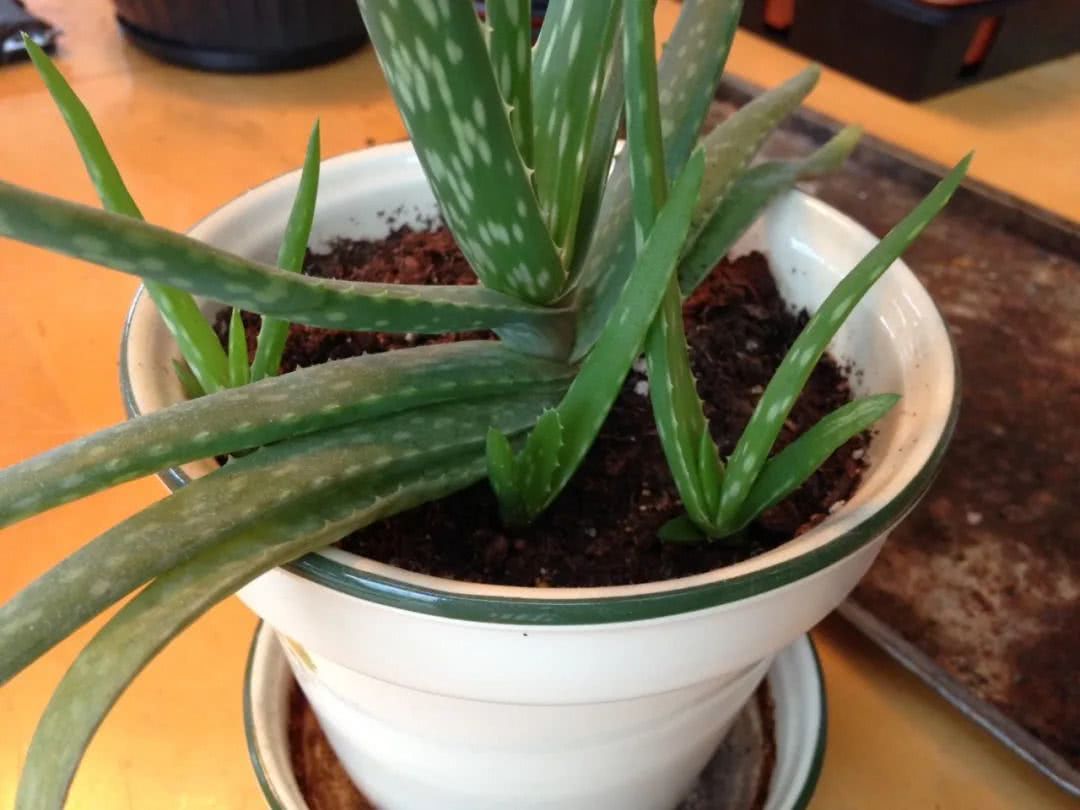
Keeping two or three aloe plants at home is quite nice, since there will surely be times in life when you need them. Aloe can not only purify harmful gases indoors, but can also be used to treat burns, cuts, sunburns and so on. You just need to cut off its leaves and apply them directly to the injured area, which can relieve pain and speed up the healing process.
Below is an introduction to how to grow aloe better. It is actually a desert plant native to tropical and subtropical regions, and it likes a warm, dry environment all year round. Its growing location needs fairly abundant light. Actually, aloe has many varieties, and in southern Africa there is even the dichotomous aloe (Aloe dichotoma), which can grow to 4 or 5 m tall.
Aloe has different varieties and forms. Some can be eaten, while others can only be grown as potted ornamentals. Before buying, you must find out clearly. The most common ones, such as Aloe nobilis, Aloe vera, Chinese aloe (Aloe vera var. chinensis) and Aloe saponaria, can all be eaten.
1. Growing environment
Unless you live in a place where there is no frost all year round, you need to move it indoors for the winter. It is a tropical plant, and the most suitable minimum care temperature is above 7°C.
Aloe is generally grown as an indoor potted plant. In winter, besides paying attention to cold protection, you also need to control watering. Too much water can easily worsen frost damage.
No matter what the environmental conditions are, aloe needs to keep getting plenty of sunlight. Avoid growing it in overly shady places, and even more so in a completely dark environment. Be careful to keep it dry. Aloe can grow well in a slightly dry environment all year round.
2. Choosing flower pots and soil
Aloe is a very common plant. Growing aloe requires loose, well-draining soil, preferably mixed with an appropriate amount of river sand or perlite. The pot should also be a breathable terracotta or tile pot. Growing it in a plastic pot with many drainage holes is also a good choice.
When growing aloe, choose a container that is wider and has more drainage holes, rather than a deeper container.
3. Watering precautions
Aloe can tolerate a very dry environment and is very afraid of humid or poorly ventilated conditions. The soil must not be constantly moist. Newly transplanted aloe must not be watered immediately. You can wait about 5 days and then water it thoroughly once. Place it in a ventilated spot with bright light. Newly planted aloe must not be exposed to rain either, otherwise the roots and stems will easily rot.
Routine care means paying attention to controlling watering. You must wait until the soil is completely dry before watering thoroughly. Generally, you need to check that the soil 3~5 cm below the surface is dry before replenishing water.
After the temperature drops in winter, aloe needs even more careful watering control. When the temperature is between 10~15°C, it is basically time to stop watering.
4. Introduction to aloe propagation
Aloe is generally propagated by dividing offsets. During growth, aloe continually produces new small offsets beside it. When these offsets grow to about 5 cm tall, they can be broken off and cut away together with their roots, then left in a ventilated, shaded place for the wounds to dry, and replanted in new potting soil.
Other notes:
Aloe rarely suffers from pests or diseases during care. If the leaves show signs of rot, be sure to cut them off in time, and also carefully check whether the roots and stems are rotting. Rotten roots also need to be cut off in time, then soak them in potassium permanganate solution, leave them in a ventilated place for the wounds to dry, and then replant.