The brewed leaf is the final test in tasting white tea
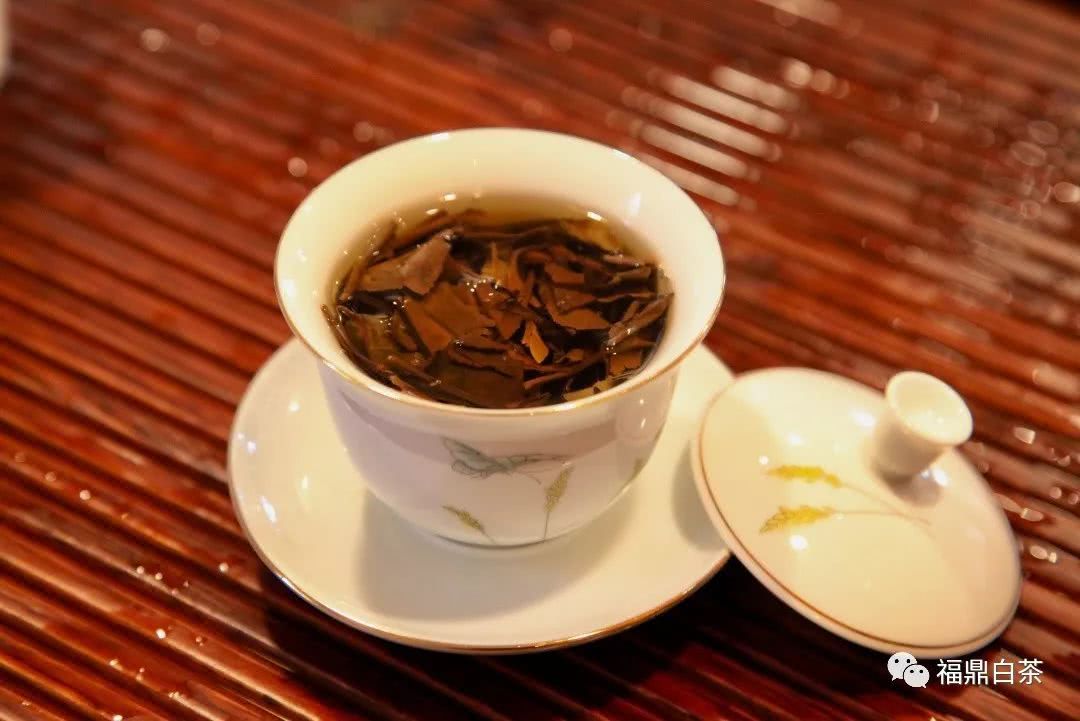
When tasting white tea, you can judge the quality of a cup of white tea from several aspects: the appearance of the dry tea, its internal qualities, aroma, flavor, liquor color, and brewed leaf. The dry tea is the first step in tasting white tea, the aroma is the first thing encountered when drinking tea, and neither is easily overlooked, while the tea liquor is the key to tasting tea. Because of this, many people tend to overlook the step of observing the brewed leaf.
Observing the brewed leaf and using the eyes to judge its tenderness, uniformity, color and degree of unfurling, as well as checking whether any foreign matter has been mixed in, is a good way to truly and objectively assess the quality of white tea.
The tenderness of the brewed leaf
The tenderness of the brewed leaf refers to the content of buds and tender leaves in the white tea and the overall tenderness or toughness of the leaf material. By observing the brewed leaf of white tea, you can intuitively sense the tenderness of the tea leaves, and from this you can also grasp the level of the white tea's quality.
Once the tea has been brewed until it has little flavor left, take a piece of the brewed leaf and place it in your hand, then gently press it. If it feels soft, the tenderness is good; if it feels hard and springs back after you let go, the leaf material is old; and leaf material that is thick and soft is the best quality, representing good tenderness and richer internal substances.
The color of the brewed leaf
By observing the color of the white tea's brewed leaf, you can learn about the strengths and weaknesses of the white tea's processing. It is best to observe the color of the brewed leaf with several teas placed together for comparison, otherwise it is easily affected by light, the environment and subjective factors.
In judging the color of the brewed leaf, the overall point is to see whether the color of the white tea is normal. For new white tea, the color of the brewed leaf is tender green, pale apricot yellow or pale yellow-green, presenting a fresh, moist and full state. If it is the brewed leaf of an aged tea after brewing, then its overall color will lean toward the deep and dark; the colors of aged tea are brown, yellow-brown and so on, and these are normal white tea brewed leaves.
If the white tea leaves turn red, it is mostly due to excessive withering; if they appear dark black, it indicates that the temperature and humidity during withering were too high. Therefore, the color of the brewed leaf is the most direct reflection of the strengths and weaknesses of the white tea's processing technique.
The degree of unfurling of the brewed leaf
The state shown by white tea's dry tea before it is brewed is generally a feeling of dryness and thin brittleness; it can be easily broken apart with a twist of the hand. However, after being steeped in boiling water, the tea leaves gradually unfurl, and at this point the degree of unfurling of the leaves directly reveals just how much vitality the white tea has!
The vitality of white tea is mainly reflected in compressed aged white tea. Aged tea is rich in internal substances, so its nutrients dissolve more slowly, and the leaves change relatively slowly as well, but in the end they still unfurl and present a look full of vitality.
For some white teas of inferior quality, or those whose processing technique does not meet the standard, after brewing the brewed leaf may appear not to open up and to be in a constricted state. Such aged white tea is white tea that has lost its vitality; no matter how long it is stored, it will not transform.