Avoid these pitfalls with roses and they will grow well, bloom big, and save you money
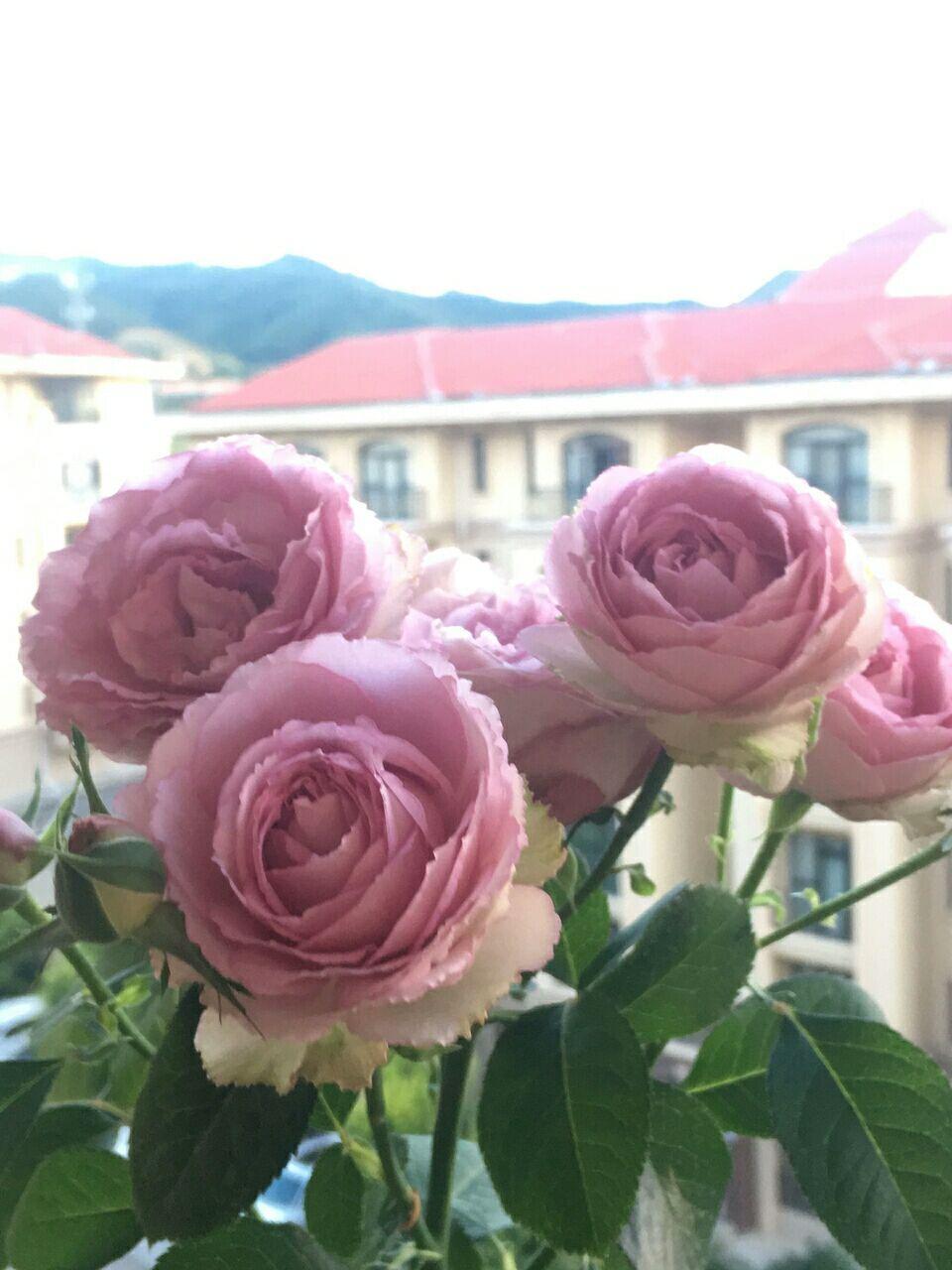
Roses come in many colors and varieties, and once you fall down the rabbit hole it is easy to become a variety collector, unable to stop buying. Many rose owners have paid for their care experience with their own money, and only those who have been through it can understand the hardship involved, yet they still never tire of it.
When we grow roses, we cannot just do whatever we like, otherwise not only will we spend a lot of money, but the flowers will not necessarily bloom better than anyone else's. Drawing on my own care experience and the experiences shared by other flower lovers, today I have put together some tips for rose care, hoping to help those who are new to growing roses and save them a bit of wasted money.
Pitfall one: choosing the seedling. Rose seedlings are mainly cutting-grown or grafted, each with advantages and disadvantages; grafted seedlings grow faster in the early stage. Personally I think it does not matter much which type you get, since five years of growing a rose is enough anyway. What matters most is being able to keep it alive in the early stage and get it to bloom well, so as long as the young seedling's root system is good, that is fine. The condition of the roots determines the survival rate and growth of the seedling, so you must choose one with well-developed roots and relatively short, sturdy internodes.
Pitfall two: choosing the pot. Currently the market mostly sells nutrient-pot seedlings, V9-pot seedlings, and gallon seedlings; if you buy online, most are nutrient-pot seedlings. Whichever type you buy, it will need repotting after you bring it home. Before I grew roses I heard people say one 2-gallon pot could be used for 3 years, but when you actually grow them you find you may need to repot within a year.
Some rose owners use Qing Shan pots, and one pot costs several tens of yuan, a real money pit. A Universal flowerpot is enough. In fact, the pot really does not have that much to do with whether a rose grows well or blooms large; the main things are still water, fertilizer, and light. As for the pot, use an ordinary one that breathes well, and when the seedling grows larger, just switch to a suitable pot.
Pitfall three: fertilizer. For potted roses, fertilizer is very important, because the potting soil is small and the nutrients it can absorb are truly limited. To get big blooms, the fertilizer must be sufficient; roses are famously "heavy feeders." When the seedling is small, you can use an organic nutrient solution that strengthens roots and leaves and contains relatively more nitrogen; when it is time to promote buds, you should use a flower-promoting rose-specific nutrient solution. These special nutrient solutions are targeted to the plant's needs, and using them not only makes the flowers bloom larger but also extends the blooming period.
Some rose owners say, why is this fertilizer so expensive? For the cost of soil and pot for the seedlings, this fertilizer is not expensive. One bottle of concentrated 500ml only needs 1ml each time and can be diluted 500 times, so it lasts a long time, which works out to only 6 fen per use. Well, the main thing is still that the effect must be good; after all, are we not growing flowers just to produce beautiful blooms?
Pitfall four: water. For newly acquired young seedlings, the roots are relatively weak and their absorption capacity is poor. If you water frequently, those fine weak roots sit wet in the soil every day and get suffocated, and root rot and yellow leaves come easily. So for a newly acquired seedling, each time you water, first use your hand, or the weighing method, or the chopstick method, whichever is convenient for you, to check whether the soil is dry, and only water thoroughly once it is dry.
When watering, be careful to let the water flow slowly down along the wall of the pot, going around in a circle and watering thoroughly on all sides. Do not water onto the plant's leaves, unless you are washing dust off the leaves or the air humidity is too low; otherwise it easily causes leggy growth and problems like black spot and other pests and diseases.
Growing flowers is a kind of pleasure in life; keep it simple and grow them well, and just be happy yourself. Usually you can also use a little gardening assistant, a flower and plant monitor; just insert it into the potting soil and through your phone you can check the soil moisture, fertility, humidity, and temperature values, and follow the prompts to operate, simple, convenient, relaxed, and joyful.