Put two things in the clivia pot, and it will bloom more and more every year, with offset buds filling the pot
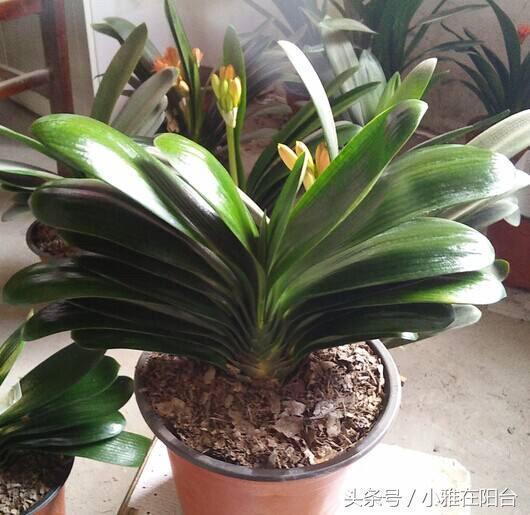
Clivias are elegant and imposing, with thick, emerald-green leaves and large, brightly colored flowers. Keeping one, whether in the living room or on the balcony, looks wonderful. But in the process of growing clivias, you may run into the situation where the clivia does not bloom, or grows thin and small, with leaves that will not grow big and no offset buds either. What is going on?
In fact, in the process of growing clivias, especially during the spring and autumn growing seasons, only when the potting soil is fertile and nutrients are plentiful, and when you regularly fertilize the clivia, can it grow thick, glossy green leaves, put out many offset buds, and bloom abundantly. If it lacks fertilizer or the potting soil is poor, it will bloom very little, or even not bloom at all.
To grow clivias, put these two things in the flower pot, and the clivia will bloom more and more every year
Bone meal is a fertilizer everyone is familiar with. It contains plentiful nitrogen, phosphorus, and potassium. In autumn you can repot the clivia once and add some bone meal as a base fertilizer, or use it as a top dressing, and the clivia will naturally grow faster.
In fact, bone meal can be made at home yourself. Just take some steak bones, pork ribs, and the like that have been eaten in the kitchen, put them in water and boil them until there is not much grease left, then put them in the sun to bake, and after they are dried, grind them into powder, ferment it a bit, and it can be used as fertilizer for clivias. In autumn, when repotting the clivia, use the bone meal as a base fertilizer, and the clivia's root system will grow especially sturdy and well developed.
At the same time, you can also use bone meal directly as fertilizer. When using bone meal to fertilize clivias, add a small amount of farmyard manure, that is, dung or plant ash, and the effect will be even better, making the clivia grow especially well.
Fertilize once a month, and the leaves will grow glossy and shiny, many offset buds will sprout, and flower stalks will grow out too.
If you really cannot find bone meal, you can also use one thing to replace it, and it works very well too: leaf mold soil or pine needle soil dug up from under large trees in the countryside. The darker the color, the looser and more fertile it is, the better.
This soil, used to grow clivias, or spread as a layer on the surface of the potting soil, can make clivias grow especially vigorously, with emerald-green leaves and large, brightly colored flowers!