Caring for autumn shoots when growing orchids in autumn brings unexpected rewards next year
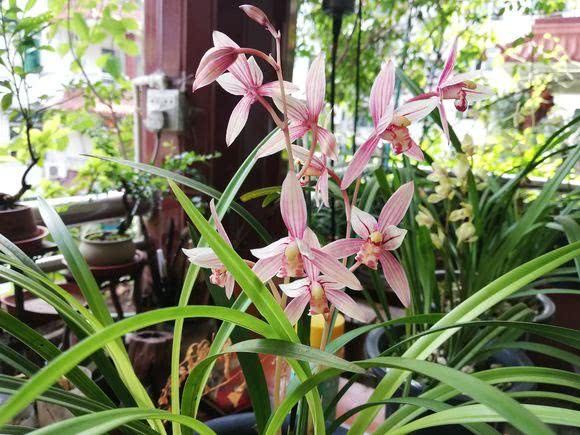
Autumn has arrived, and the cool climate makes it a good season for orchid growth. But some flower enthusiasts say that orchid shoots that grow in autumn should not be kept, because these shoots will not grow larger and will only waste the mother plant's nutrients, causing nutrient loss, so it is best to remove them and prepare for next year's sprouting.
What Huahua wants to say here is that this method of yours is not necessarily correct, because with careful care, autumn shoots can also grow larger, unless you run into a stalled shoot, that is, a shoot that does not grow. So please be merciful to autumn shoots; next year they may be the main force for blooming, bringing unexpected rewards.
Where do autumn shoots come from?
Autumn shoots generally sprout from relatively robust shoots of the current year and have fairly strong reproductive capacity, but they also need a little extra care, because autumn shoots grow relatively slowly, especially when winter temperatures gradually drop.
How should autumn shoots be grown?
In order to let autumn shoots grow vigorously, after the shoots emerge, you can apply fertilizer about once every 10 days. Generally, use fertilizer with a relatively high nitrogen content. It is generally recommended to use organic fertilizer that is non-irritating and not chemically blended. It must be fully fermented with no residual bacteria, otherwise it will cause root rot, and the heat from fermentation will also burn the roots.
If you are not very good at choosing fertilizer, it is recommended to use an organic nutrient solution with relatively rich and balanced nitrogen, phosphorus, and potassium, specially for orchids. Then you do not need to consider the fertilizer ratio problem. It is better to use it about once every 10 days, generally diluted with water about 800 times.
In addition to fertilizer, appropriate supplemental light is also needed, because the climate in autumn and winter is slightly cooler, and insufficient light can easily reduce leaf photosynthesis. At this time, nutrient transport is especially likely to be hindered, so artificial supplemental lighting is also acceptable. If flower buds have grown, they should also be cut off to reduce nutrient consumption.
Where will autumn shoots go?
If you happen to encounter a situation where autumn shoots do not grow, it is either a stalled shoot or the climate is too cold and the orchid has already entered dormancy. At other times, as long as you pay attention to the above points Huahua mentioned, they can basically slowly grow into next year's main force for blooming.
Orchids are not easy to grow; that is a recognized fact, just like a beautiful woman is not easy to court. We will still make an effort, and maybe we will win the beauty over.