How do you grow florist's daisy? Master these 5 points, and it will bloom even in the cold wind
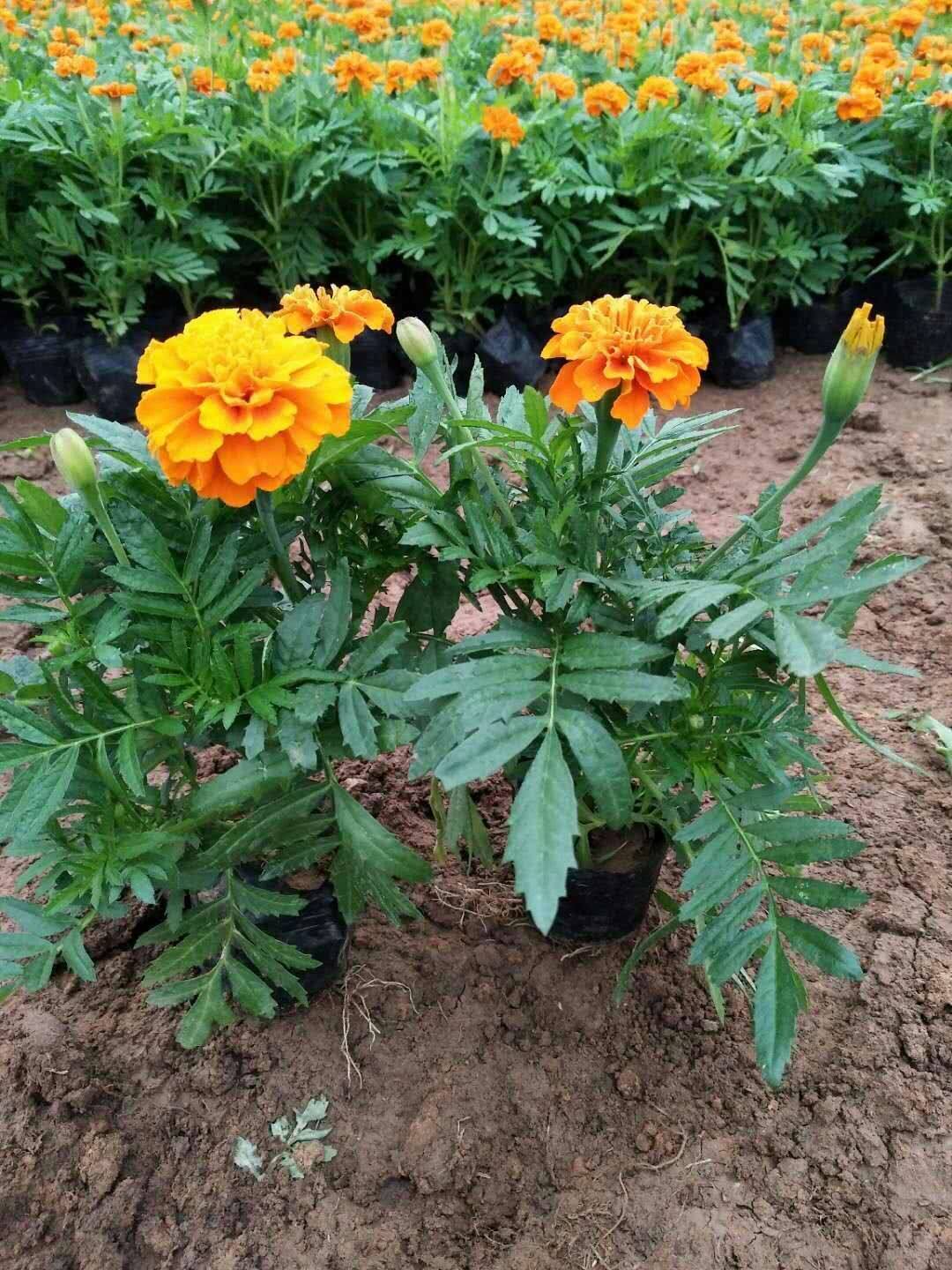
If you absolutely had to pick one flower that represents the feel of autumn, is the first one that comes to mind, like Huahua, also the chrysanthemum? Everyone must be familiar with the fame of the chrysanthemum, right? In ancient times, chrysanthemums were often the subject of poets' verses; the chrysanthemum's noble character still endures, and that easygoing, unconstrained temperament is deeply moving. And in modern times, people's love for chrysanthemums is no less than before. As soon as the cold wind arrives, chrysanthemums quietly open, blooming freely while other flowers rest. How could such a quality not make people love them?
Now everyone knows about chrysanthemums. Today Huahua wants to introduce a plant that also belongs to the chrysanthemum family but is somewhat different from chrysanthemums. Its name is florist's daisy.
Florist's daisy is a relatively short-growing plant, quite suitable for growing at home. Although it is called florist's daisy, it does not bloom in all four seasons; it is also a chrysanthemum, so it generally blooms in autumn. Florist's daisy comes in many autumn colors for everyone to choose from, making it a flower very suitable for growing and enjoying in autumn. Now let Huahua introduce to everyone how to grow florist's daisy.
1. For florist's daisy, soil is the most critical condition. Florist's daisy is demanding about soil and needs to grow in soil that is loose, well-aerated, fertile and slightly acidic. When choosing soil, try to use a mixed soil for growing it. You can mix leaf mold, sandy loam soil and cake fertilizer in a 6:3:1 ratio. This ensures the soil is fertile, ensures florist's daisy has sufficient nutrients, and makes florist's daisy bloom more beautifully.
2. If you choose to grow florist's daisy in autumn, the temperature requirements are not very high, but at other times of the year you still need to pay some attention. The growing temperature for florist's daisy is between 15-35 degrees. The ambient temperature must not be lower than 3°C, as it can easily freeze to death at low temperatures, and it must not be higher than 38°C, as high temperatures can easily cause the leaves of florist's daisy to dehydrate, so it will not bloom in autumn. In winter, remember to keep florist's daisy warm; it is best to keep the ambient temperature above 10°C.
3. If you want florist's daisy to produce better flowers, sufficient sunlight is absolutely indispensable. Florist's daisy has strong survival ability and can grow normally even in strong sunlight. But pay attention to the length of light exposure.
4. In spring and autumn, give florist's daisy plenty of water, about twice a week. In summer, water once in the morning and once in the evening, and you can also spray water on the leaves at ordinary times. In winter, water about once a week or three times a month.
5. Fertilizing florist's daisy is also very simple. In spring and autumn, apply poultry and livestock manure once a month. During the flowering period, apply a compound fertilizer once a month. At other times, you can skip fertilizing!
After learning about florist's daisy from Huahua's introduction, are you even more interested? Autumn has arrived, so hurry home and grow a pot!