Put a tablet in the pot of an orchid or spider plant, and white roots will fill the pot and it will grow more vigorously
Growing flowers can bring endless joy to life, enrich your spare time, and also decorate the home, making the environment more lively and colorful.
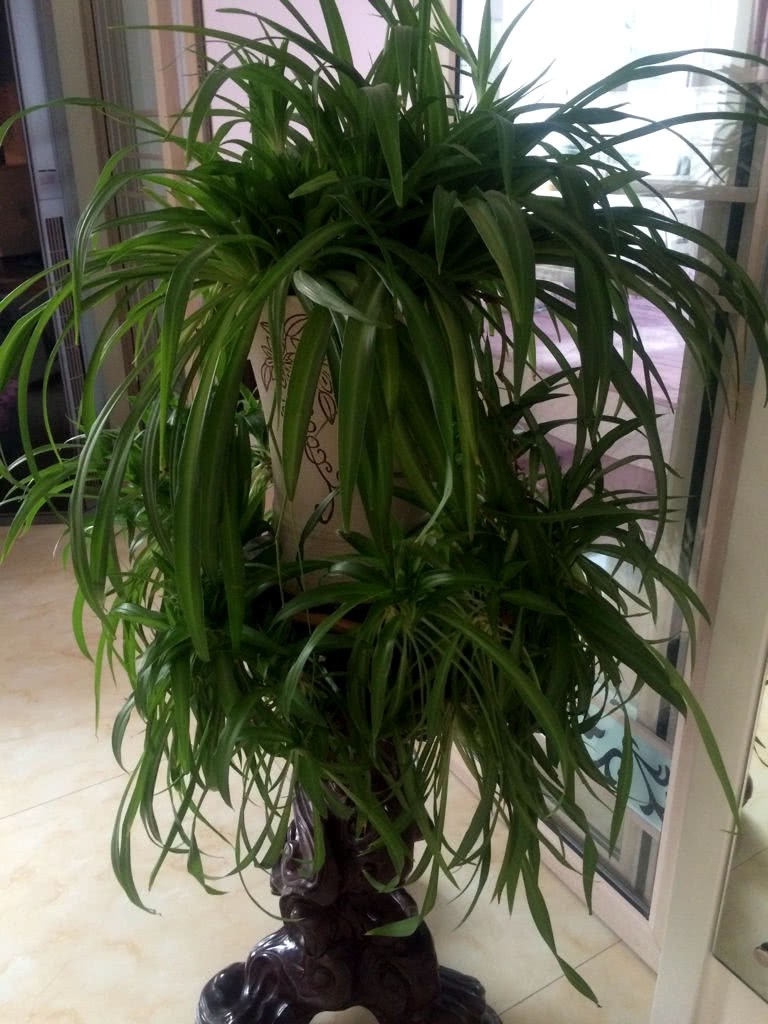
Orchids and spider plants are common flowering plants, very typical ornamental foliage with strong ornamental value, and they are very popular. But when caring for these two plants, you also need enough care experience to make them grow more and more vigorously. You can put a tablet in the flower pot, and white roots will fill the pot, and the plants will grow more and more vigorously.
Aspirin, once dissolved in water, can break down into acid and salicylic acid. Salicylic acid has a bactericidal and disinfecting effect and prevents root rot; it does not promote rooting. Mixing aspirin into the soil can make the root system stronger, letting the roots of orchids and spider plants fill the pot and grow more vigorously.
So what other issues should be noted when caring for these two plants in daily life?
Spider plant
The spider plant is relatively drought-tolerant, so watering does not need to be too frequent, and waterlogging must not occur, to prevent root rot
A certain amount of base fertilizer should be added to the potting soil to be more suitable for the growth of the spider plant, and keep the soil loose and breathable.
Usually place it in a place with plenty of sunlight; only with sufficient light can the spider plant grow more and more vigorously.
Orchid
Orchids like a cool and humid environment, and the most suitable temperature for growth is 18 to 30°C; it should not be too high or too low
Orchids do not have high water requirements. Because there is a layer of cuticle on the surface of their leaves, which reduces transpiration, they are relatively drought-tolerant
Orchids also do not have high fertilizer requirements. Follow the principle of preferring to go without rather than overdo it, and apply 1 to 2 times a year a dilute liquid fertilizer as a top dressing.