If a clivia shows these symptoms, nine times out of ten it has root rot; an old flower grower teaches you how to deal with it
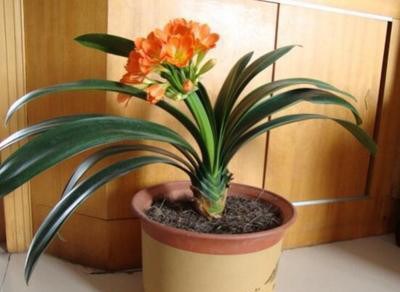
Uncle Li from Jilin is a devoted clivia fan, but one day while watering his clivias, he noticed that of the 3 clivias he had just repotted, 2 were tilting as whole plants in their pots, so he firmed down the surrounding plants to keep them from tilting further. But after some more time, he found that all 3 clivias had tilted, and the lowest leaves at the base were rotting. Only then did he realize how serious the problem was: the clivias might have root rot.
So he quickly tipped the pots out to check. Who would have thought that as soon as he reached out, the whole clivia wobbled in the pot, and with a gentle lift he pulled the entire plant out. The originally thick root mass had rotted away completely, and not one of the 3 clivias was spared. The base of one of them even had a soil cavity the size of a peanut, which was truly heartbreaking. So flower lovers who grow clivias should take note: if you find your clivia tipping over, be sure to check promptly for root rot, and take action as soon as it is discovered.
Measures taken: first clean the rotted roots of the five clivias thoroughly, then rinse them clean with tap water, and while at it coat all the cleaned rotted parts with carbendazim powder, or soak them in potassium permanganate, then put them in a ventilated place to dry. To prevent water loss from leaf transpiration, I put a plastic bag over each clivia, then gathered the leaves of each whole clivia into a bundle, and waited until the clivias with rotted roots, coated with carbendazim powder, were completely dry.
Find another flower pot or a foam box, first put some broken foam pieces and crushed coal briquette slag in the bottom, then fill the pot with pure sand. After watering and firming it down, poke a few holes with a thick wooden stick, reinsert the clivias with rotted roots into the sand box, then firm the sand surface, and still keep the plastic bags over the clivias so their leaves stay gathered in a bundle. Doing this can reduce leaf transpiration, bring more depletion to the already damaged clivias, and also maintain stability after replanting, which helps root sprouting and later observation.
After dealing with them, put them on the balcony, and afterward water by the rule of dry-wet alternation. A month passed, and the five clivias not only did not tilt or develop root rot, but their leaves also stayed dark green. After more than a month, he found that each one had grown new white, tender, thick roots, so he decided to replant them. In this way, Uncle Li saved the clivias with rotted roots.