Bonsai cultivated into premium specimens can be worth tens of thousands - just look at these 3
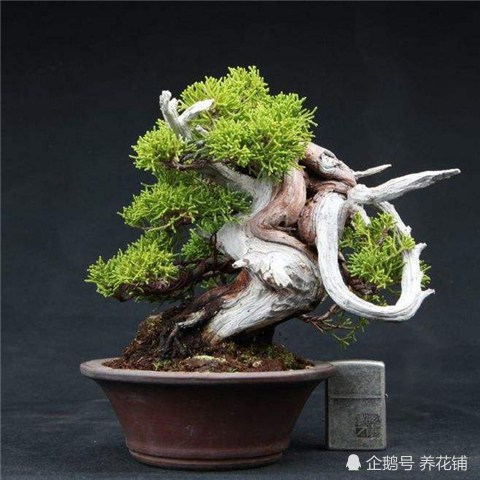
The beauty of bonsai enriches people's leisure and cultural life and cultivates character. Below are 3 kinds of bonsai; cultivated into premium specimens, they can command a relatively high value - measured not only in money, but also as spiritual products. Genuine, high-quality bonsai require careful growing and patient cultivation. Below are 3 kinds of bonsai!
Cypress bonsai
The cypress's branches and trunk are vigorous, its crown uneven, its lifespan long, and its posture beautiful; made into bonsai, it has a majestic bearing.
The cypress does not fear severe cold; even under snow and freezing, it stays as green as ever, hence the praise of "evergreen pine and cypress."
Bonsai making mainly follows the natural form of the cypress stump, going with its shape, capturing its spirit, and highlighting its inner nature.
Banyan bonsai
The banyan is favored by bonsai enthusiasts; it tolerates drought and partial shade, and prefers a sunny, well-ventilated, warm and humid environment.
While the banyan bonsai is growing, adventitious buds should be removed promptly, so the plant does not grow too many branches and ruin the overall shape.
Pine bonsai
The pine symbolizes everlasting endurance, implies longevity, and stands for such qualities as tenacity and uprightness.
Every year from October to February is the most suitable time for pruning; this is the pine's dormant period, and all overgrown, leggy, or pest- and disease-damaged branches and foliage should be pruned away.
To grow bonsai well, repotting is necessary; the interval for repotting is about once every 3 to 4 years, and the time for repotting is within September to October.