8 shade-tolerant, drought-tolerant indoor plants that can thrive even in city apartments
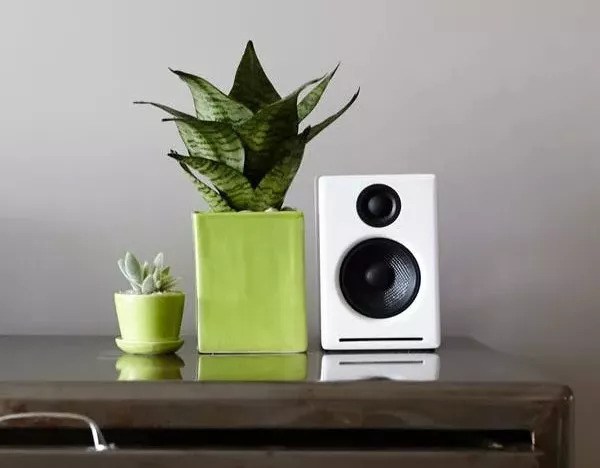
When you see fresh and elegant home decor, it is usually decorated with a few potted green plants. With plants, the whole space looks natural and gains more vitality. You can choose suitable plants according to the light in your home and your decor. Take a look at the 8 below and see which one suits you?
1. Snake plant
The snake plant is very suitable for those friends who often forget to water. It is actually very afraid of frequent watering; too much water easily causes rotten leaves and roots. The snake plant itself is an extremely drought-tolerant plant that likes a warm and dry environment year-round and can also tolerate low-light conditions, making it perfect for growing indoors.
The snake plant can effectively purify harmful toxins in indoor air, such as the common benzene and formaldehyde. It can also release oxygen at night and absorb indoor carbon dioxide, improving indoor air quality.
2. ZZ plant
The ZZ plant is suitable for growing in low-light indoor environments. It can grow well even in dim apartments and has very minimal water needs, making it very suitable for friends who often travel for work. Its drought tolerance is extremely strong, thanks to the swollen succulent tubers at the base of its rhizomes, which store a lot of water. It is suitable for growing in warm and dry environments and has low light requirements. Be careful to avoid frequent watering or exposing it to freezing.
3. Silver satin pothos
Silver satin pothos is suitable as a hanging basket plant or placed on a shelf. Its ability to adapt to the environment is excellent, its stems and leaves can trail down over the pot, and it grows especially quickly. You can even cut off a section of stem directly, remove the lower leaves, and root it in water.
4. Pilea
If you want to grow a non-toxic plant in a shaded indoor spot, choosing Pilea is a good option. It actually belongs to the Pilea genus. If you do not like this kind of wrinkled leaf, you can also choose some with rounded leaves. The varieties are rich, and it likes warm and humid conditions year-round. Just keep the growing location brightly lit.
5. Monstera obliqua
Monstera obliqua is a foliage plant with a very unique appearance. It likes warm and humid environments year-round. During care, pay attention to protecting it from cold and also maintain relatively high air humidity. Keep the minimum care temperature above 5 degrees. The growing location should be brightly lit or have scattered light. It is best to grow it beside a windowsill and avoid direct sun exposure.
6. Staghorn fern
The staghorn fern is a fern with very special ornamental value. It is suitable for growing in hanging baskets, and can even be fixed directly onto a wooden board for cultivation. The growing medium can be loose, well-draining humus soil, or it can be grown directly in sphagnum moss. The growing location should remain brightly lit, with regular misting to maintain relatively high air humidity.
7. Rex begonia
Rex begonia is a foliage-type begonia variety. Its leaves have brilliant markings and are very large. It can grow very well without much light. It can also be grown in a location with appropriate light, which helps promote the blooming of delicate small flowers, though the flowers are far less ornamental than the leaves.
8. Monkey face orchid
The monkey face orchid is an orchid plant with a very short stature, suitable as a potted plant. For the container, choose a plastic pot or terracotta pot that is loose and well-draining, with relatively large drainage holes. The growing medium can be bark mixed with sphagnum moss, or you can mix in a small amount of perlite or peat moss. The growing location should have appropriate scattered light, maintain relatively high air humidity, keep the soil moist, and keep the care temperature above 7 degrees.