What is the use of putting iron nails in lucky bamboo? Only after hearing flower enthusiasts' analysis did I realize I had been doing it wrong
Lucky bamboo (Dracaena sanderiana) is a plant commonly kept at home. Apart from pothos, lucky bamboo is probably the one that suits everyone, especially beginners. Don't be fooled by how easy lucky bamboo is to grow - the easier a plant is to care for, the easier it is to overlook the details, leading to yellow leaves and other problems. True plant experts are the ones who keep easy-care plants going for the long haul. Getting lucky bamboo to go year after year without yellow leaves is actually very hard to achieve. In the process of growing lucky bamboo, there are quite a few little tricks that flower enthusiasts may often hear about or use. These little tricks also require careful attention when applied - use them wrong and they can backfire.
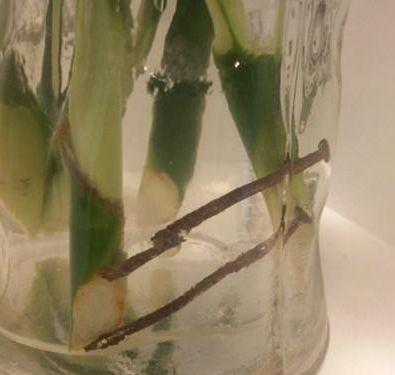
Why do many people growing lucky bamboo drop one or two rusty iron nails into the water vase?
When growing lucky bamboo, the iron nail trick wasn't there from the start. It was only that in the earliest days, someone discovered that yellowing leaves on lucky bamboo were caused by iron deficiency, which is when they thought of using rusty iron nails to supplement the iron in the nutrient solution. In fact, lucky bamboo leaves turning yellow due to iron deficiency is a "low probability" event. Most people's lucky bamboo yellowing is basically caused by external factors such as failure to root, light, ventilation and radiation. But then many people just follow the crowd - when they hear others drop in iron nails, they do the same, and the result is that the lucky bamboo's yellowing tends to get worse and worse.
After hearing the analysis above, I believe everyone now understands that rusty iron nails can't just be added at will. To grow lucky bamboo well, you still have to start from a scientific perspective and basic care knowledge. For example, as long as you do the following points, your lucky bamboo will definitely get better and better, with lush branches and leaves.
First, care details for newly purchased lucky bamboo. Since it was just bought, the lucky bamboo has no root system at this point. Getting lucky bamboo to root is the most important goal in the early stage. Don't put rusty iron nails in the vase. To root as quickly as possible, you should at least do the following.
1. Before lucky bamboo roots, change the water every two or three days - clean water like this is good for rooting. Of course, if you've already spotted signs of rooting, you can stop changing the water so frequently and switch to "only add water, don't change it." When you see the water level in the vase drop below one third, that's the time to add water. For the water in a lucky bamboo vase, the water level must be kept between one third and two thirds.
2. Generally, you shouldn't put more than 6 stalks of lucky bamboo in a vase, otherwise the cramped space will hinder their growth, and the nutrients won't be enough for each stalk to absorb. In addition, newly bought lucky bamboo usually has fairly lush leaves, which actually works against root development. So it's recommended to use scissors to trim off some leaves, keeping only 3-4 leaves per lucky bamboo stalk. This can lighten the burden of rooting.
What should you pay attention to in daily care after lucky bamboo has rooted?
Once lucky bamboo has rooted, it means it's on the right track. At this point, care also requires attention to some small details. For example, its placement - first, in terms of growth habits, it can't be placed in a dark corner, nor in front of a bright balcony; it's best placed at one side of the coffee table in the living room. In terms of plant feng shui, it's recommended to place it in the southeast position indoors, which is beneficial for "wealth" and "bringing in money." When caring for lucky bamboo, you should also apply some liquid fertilizer every month - you can dilute monopotassium phosphate with water and drip it into the vase. This fertilizer helps with lush branches and leaves and year-round evergreen foliage.
That's all for sharing knowledge about lucky bamboo care. Thank you for reading!
Remember to like and share!