When growing flowers in the bedroom, avoid these 3 kinds of flowers that compete with people for oxygen
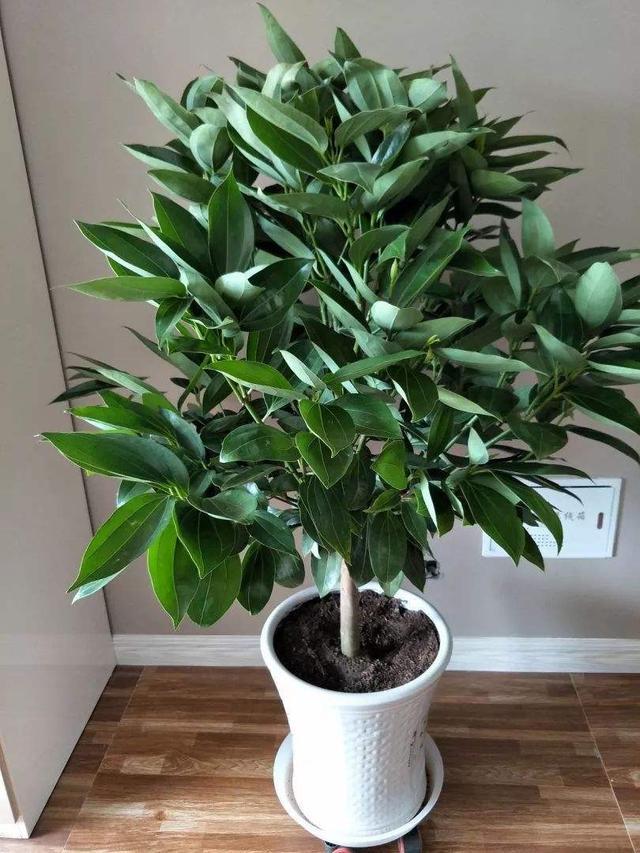
Keeping a few potted flowers at home not only greens up the environment, but some can also absorb harmful gases indoors, so they are well worth growing. However, there are many kinds of potted flowers, and each has different growing habits. So when growing flowers, you also need to pay attention to a few small issues. When growing flowers at home, the placement spots are roughly divided into four places: the living room, the balcony, the bedroom and the study. The bedroom is the space where we spend the most time, so growing flowers there requires extra care. That is because some large foliage plants are not suitable for the bedroom, as they compete with people for oxygen.
Some flower growers may say that any plant respires, absorbing oxygen and releasing carbon dioxide, so what is there to watch out for? While that is true, a bedroom is only a few square meters, and growing flowers in such a small space really does require caution. If you grow some large foliage plants with dense, vigorous leaves, their efficiency at absorbing oxygen will increase, indirectly affecting the oxygen concentration in the bedroom and causing difficulty breathing. So which large foliage plants are unsuitable for the bedroom? Pay special attention to the 2 below.
The first plant: areca palm (Dypsis lutescens) in a pot
The areca palm is a large foliage potted plant. Many people grow it in the bedroom, thinking it looks grand and stays glossy green all year round. But its respiration is especially strong, particularly at night, when its efficiency at absorbing oxygen is very high, so it should not be casually placed in the bedroom or study; the living room is still fine. Of course, this potted plant is especially tall, and growing it indoors inevitably makes the room feel gloomy. Flower growers with larger homes can try keeping one.
The second plant: large-leaf pothos
This pothos gets its name from its huge leaves and usually needs a pothos pole for support to look its best. Large-leaf pothos has strong photosynthesis and respiration alike, which comes from its thick, big leaves. This plant is also fairly easy to grow: as long as you water it enough and give it light, it will grow more and more vigorously. Large-leaf pothos is suitable for a corner of the living room or balcony, but not for the bedroom, since its respiration at night is too strong and will raise the carbon dioxide concentration indoors, which is bad for health.
Besides the 2 flowers above that cannot be grown in the bedroom, there is another kind that cannot be grown: toxic flowers, such as the common dumb cane (Dieffenbachia), poinsettia (Euphorbia pulcherrima) and plants of the dogbane family (Apocynaceae). These flowers are highly toxic and quite harmful to people, so not to mention the bedroom, it is best not to grow them even in the living room. With so many kinds of flowers, why grow these toxic ones? To tell toxic flowers from non-toxic ones, one method is to smell their fragrance. If a flower's scent is too strong, it indicates toxicity and can cause skin allergies, such as night-blooming jasmine (Cestrum nocturnum), lilies, tulips and hyacinths.
That is all for the knowledge about growing flowers in the bedroom. Thank you for reading!
Remember to like and share~