If you want jasmine to bloom year after year, doing these 6 things well is very important
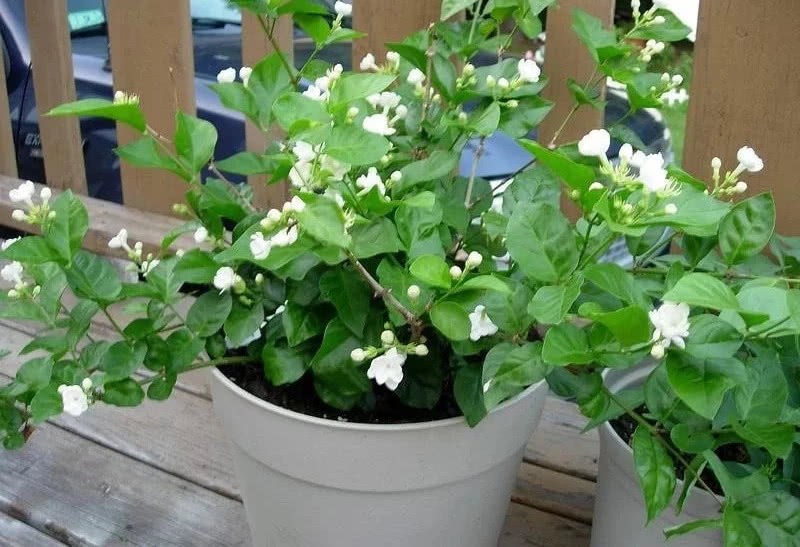
Jasmine is a subtropical flowering shrub that loves a warm and humid environment year-round. It likes to grow in a spot with plenty of light. Its flowers are pure white, and it can bloom brilliantly in late spring and early summer. If you want your jasmine to grow better, you also need to pay attention to the following care tips.
1. Choosing the pot and soil
When growing jasmine, you must choose a loose, fertile, well-drained, slightly acidic humus soil. The soil should be rich in organic matter. You can mix peat soil, compost soil and perlite, and add some river sand as appropriate. Avoid choosing soils that are too sticky. The soil pH for caring for jasmine should be around 6.0 to 6.5, and you should avoid soil that leans alkaline.
2. Sunlight requirements
The environment where jasmine is grown needs more than 6 hours of direct light every day. Avoid keeping it in a dark, low-light environment. If the temperature is too high in summer and the sunlight is relatively strong, potted jasmine needs appropriate shading in the afternoon and at noon. Many people's jasmine cannot bloom every year, and it is very likely due to insufficient sunlight.
3. The care environment
The environment for caring for jasmine must be well ventilated and let light through. Avoid keeping it in a closed, stuffy space. In addition, pay attention to keeping the environment clean, and promptly pour out any standing water nearby.
You can place the jasmine on an east-facing or south-facing windowsill or balcony. During care, you also need to pay attention to maintaining a certain level of air humidity. Dry air can easily trigger spider mites and other fungal diseases.
4. Watering precautions
Jasmine needs regular watering during the growing season. Before it buds, you also need to keep the soil moist, but it should be kept in a sunny and ventilated environment. Avoid waterlogging in the soil, and be careful not to pour water directly onto the leaves or buds.
While jasmine is blooming, you cannot water it frequently, and after the weather turns cold in autumn, you also cannot water it frequently. You can wait until the soil is completely dry and then water it thoroughly once.
When watering jasmine, avoid using tap water directly, because tap water contains chlorine, and long-term use can easily make the soil alkaline. It is best to put it in a container for 3 days before using it.
5. The role of pruning
If your jasmine meets the above care conditions, the jasmine can maintain a good growth state. Before caring for jasmine, you also need to understand that most of its flowers are produced on new branches. It needs to be pruned once every two years to promote continuous branching and produce more flowers. You can prune in autumn and winter.
6. Pay attention to temperature and fertilizing
Jasmine is a subtropical plant, and the minimum care temperature should be kept above 5 degrees. After it turns cold in late autumn, move it indoors for care, and be careful to maintain relatively high air humidity.
In order to encourage jasmine to bloom every year, you can regularly supplement potassium dihydrogen phosphate and ferrous sulfate solutions in spring and summer. They can be used alternately, generally once every 2 weeks in spring and summer. Be careful not to fertilize during the flowering period.