Even if a plant sprayed with brightening agent is cheap, you should not buy it; it will develop yellow leaves as soon as you take it home
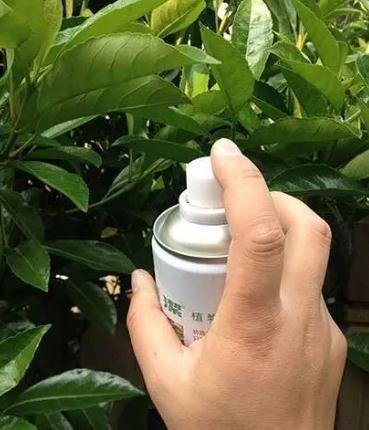
Nowadays more and more people are growing flowers. Whether they are flowering plants or foliage plants, every time they go to the flower market, they always want to bring one or two pots home. After all, potted flowers have now become part of life; they can cultivate the mind and character and also beautify the home, truly a delightful thing that serves two purposes at once. However, for beginners at growing flowers, choosing flowers also involves know-how. Why is that? Because the flower market has quite deep "waters," and there are many tricks in it. Take some common foliage plants as an example. One substance is often used, namely "brightening agent," also called "shine agent."
Why spray "brightening agent" on potted flowers?
Brightening agent, judging just by the literal meaning, is a liquid that increases leaf gloss. Some foliage plants are mainly valued for their lush green leaves. If the leaves are yellowing or listless, no one at the flower market would buy them. Therefore, some flower vendors have gotten used to using this thing. Because after it is applied to the green leaves of potted plants, they look so green they shine. When beginners at growing flowers go to the flower market, those who do not know think the plant is really thriving! "Seeking only profit" is the most fitting way to describe some flower vendors. Of course, some conscientious flower sellers cannot be ruled out either.
What happens to flowers and plants after brightening agent is used?
Simply put, after brightening agent is sprayed, a layer of grease coats the plant's leaves. Although they look much shinier, it hinders the plant's respiration and transpiration. Once the plant's growth response is hindered, two situations are most likely to occur: first, the leaves gradually develop spots and black dots. Second, the leaves rot and turn yellow until they wither and die. Which flowers and plants are commonly treated with brightening agent? Most foliage potted plants, such as pothos, spider plant, money tree, ZZ plant, fortune tree, and happiness tree, are easily treated with it. So in the future, be more careful when buying foliage plants.
How can you tell whether potted flowers have been treated with brightening agent?
Actually, if you want to tell whether the leaves of flowers have been treated with brightening agent, the method is not difficult. You can mainly look at these "2" places. The first is the green leaves of the whole plant. If the green leaves of the whole plant are too obviously shiny, or if part is yellowing while another part has no gloss at all, then it shows that some leaves have been treated with brightening agent. The second is touch. When you touch the plant's leaves with your hand, if you can clearly feel them smooth when you rub them, or even feel grease, then it shows that this plant has been treated with brightening agent. This kind of flower, no matter how cheap, should not be bought and taken home. By the next day, yellow leaves and rotten leaves will appear.
Some flower lovers may ask, why is it fine when the flowers at the flower market are sprayed? It is very simple, because flower markets are generally greenhouses, and anyone who has been there knows the feeling: stuffy and hot. And potted flowers like this kind of environment the most, so even if brightening agent is used, there is not much effect on their growth. But once they are moved home and the environment changes, the flowers are in trouble. So flower lovers must pay attention to this. Speaking of this, it also reminds flower lovers that newly bought flowers should not be casually repotted or given new soil. If you change them, they will surely die. As much as possible, wait until after caring for them for a period of time before changing to a new pot and soil.
That is all for sharing knowledge about growing flowers. Thank you for reading!
Remember to like and share~