What to do when white alkali builds up in flower pots? Here are a few methods to deal with it
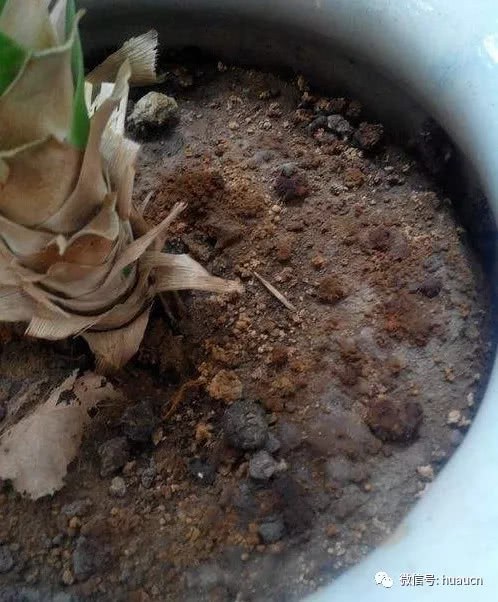
Friends who enjoy growing flowers and plants in pots ask me whether they will run into this problem: after a pot has been used for a long time, white alkali appears. White alkali in flower pots is a kind of alkaline deposit adhering to the inner or outer wall of the pot, appearing white. If such a pot is used directly for growing flowers and plants, it is often very unfavorable to the growth of the plants. This is because most flowers and plants prefer acidic, slightly acidic or neutral soil environments, while relatively few green plants can grow in alkaline soil. Therefore, removing the white alkali is a very necessary task. So, what about white alkali?
To get rid of the white alkali and make the pot more suitable for growing plants, we first need to figure out how white alkali in flower pots forms. Research has found that the appearance of white alkali in flower pots often has multiple causes, among which there are two main aspects:
One is caused by our frequent use of chemical fertilizers in the process of growing flowers and plants; over time, more alkaline substances precipitate, and naturally the white alkali phenomenon appears. The other cause is the water source we use for watering, mostly tap water. This is because tap water is a water source that has not been softened, and its water quality is relatively hard; after watering flowers for a long time, many alkaline substances accumulate in the soil, making the soil lean toward alkaline, and the wall of the pot holding the soil will also show alkalinization.
Flower fertilizer: A clever trick for composting fertilizer without the smell - you will never be disliked by your neighbors again~
In other words, when water and fertilizer management is improper, it is not only easy for the soil to become alkaline, but even the flower pot can become alkaline. After knowing the causes of white alkali, we can start prevention from the source. First, the water source we use to water flowers cannot be tap water; generally, purified water is better. If the cost of using purified water is considered too high, clean river water can be used instead. As for fertilizing, avoid using chemical fertilizers as much as possible, and use more organic fertilizers or fertilizers specially made for flowers and plants.
However, once the white alkali phenomenon appears in a flower pot, in addition to changing the choice of water and fertilizer, we should also promptly carry out the necessary treatment of the white alkali phenomenon to avoid affecting the normal growth of the plants. To remove white alkali from flower pots, Huayou Jun recommends several good treatment methods for flower friends:
1. Since rainwater and snow water are acidic, you should usually pay attention to collecting and storing some. When it is time to water potted plants, you can take it out and use it. This is not only beneficial to the normal growth of the plants, but can also gradually make the white alkali disappear and shift the soil toward acidity.
2. Usually collect the fruit stones or seeds left after eating the flesh, then put them in a sealable container. After long-term fermentation and decomposition, the liquid inside is also acidic. Then, when watering the flowers and plants, pour it into the soil; it can also gradually neutralize the alkalinity, and at the same time it is a very good fertilizer for growing flowers!
Fruit peel fermentation
3. Collect the usual rice-washing water, let it fully ferment, and then use it to water flowers; it can likewise reduce the alkalinity in the pot. This is because fermented rice-washing water is also acidic, and pouring it into the soil can reduce alkalinity, thereby improving the soil, while also achieving the purpose of supplementing nutrients, which is even more beneficial to the growth of flowers and plants.
Rice-washing water fermentation
4. If the above methods are all inconvenient to handle, and instead you feel that using tap water is both convenient and economical, then we can also continue to use tap water, but it cannot be used directly. You can let the tap water sit for a few days, and at the same time drip in a few drops of edible vinegar. This can make the water acidic, and then use it to water flowers to reduce alkalinity.
5. The last method is to use ferrous sulfate, generally purchased on the market. Then mix it with water into a ferrous sulfate solution with a concentration of 1%, and then use it to water flowers; ultimately it can also achieve the purpose of turning alkalinity into acidity.
·END·
An interactive platform for flower growing, flower planting, and green plant enthusiasts to communicate, show off, and be a bit smug. An online home for sharing flower cultivation methods and household flower-growing tips. A fresh flower subscription platform.
Fresh flowers: hyacinth|stock|plum blossom|carnation|camellia|kalanchoe|jasmine|gardenia|peach blossom|balloon flower|osmanthus|calla lily|lily|forget-me-not|clivia|apricot blossom|honeysuckle|mock orange|peony|sunflower|chrysanthemum|serissa|crown of thorns|tulip|narcissus
Green plants: poinsettia|money tree|pothos|spider plant|alocasia|lucky bamboo|asparagus fern|aloe|English ivy|anthurium|Monstera deliciosa|bougainvillea|silk tree|peace lily|schefflera|boxwood|sago palm|rubber plant|maidenhair fern|snake plant|
huau.cn
……
Search the public account " Flower Friends " or " huaucn " to get the latest information
Business cooperation, promotion. Please contact WeChat private account:ihuaucn