Passion fruit has many clever uses; bury the seeds from the fruit you have eaten in a pot, and you will have more fruit than you can pick.
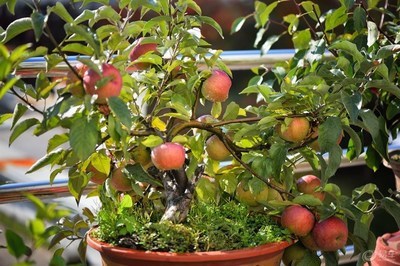
Everyone knows that fruit is rich in vitamins, which are very good for our health. Nowadays there is a dazzling variety of fruit on the market, and prices vary greatly. Many gardening enthusiasts choose to grow a few potted fruit plants they like to eat on their balconies at home. They are not only attractive, but when the harvest season comes, there is a whole pot of fruit to eat.
Take the passion fruit that is popular this year, for example. It tastes sweet and sour, and whether it is made into a drink or eaten directly, it is a good choice. What people may not know is that it can also be grown at home, so that when it ripens, you can pick one and mix it into yogurt. What a wonderful enjoyment that would be.
Getting the seeds from passion fruit is actually very simple. The seeds left after we eat the pulp, once cleaned, are the best choice for planting passion fruit. First of all, the yellow mucous membrane layer on the surface of the seeds must be removed. At this point, they need to be soaked in water to remove it. After only the black seeds remain, it is best to disinfect them before sowing to prevent the breeding of soil bacteria later.
The best sowing date for passion fruit is in spring or autumn, because the temperature at this time is relatively cool, and it will not be too cold or too hot and humid. Because it is a climbing plant, it is best to set up a trellis in advance when planting. For the trellis material, wood or steel pipes are generally very good choices.
Passion fruit has strong adaptability, so it does not have high requirements for soil. It is enough to choose soil that is relatively moist and has good air permeability. Of course, sandy soil is the best choice.
Poor drought tolerance is one of the major characteristics of passion fruit, so watering must be done more carefully. Try not to let the soil dry out, because once the soil lacks water, the branches and vines of the passion fruit will turn yellow and wither, directly resulting in no fruit. During the rainy season, also be careful not to let water accumulate, to prevent the roots of the potted plant from rotting.
Like some flowers, passion fruit needs its branches pruned every year, otherwise growth will be affected. The pruning is generally done after the fruit has been picked. Leave only about 4 nodes on each side branch, and cut off the rest. Especially in the hot summer, if the branches are too long, they will cause pests and diseases.
Speaking of pests and diseases, for potted passion fruit, pest and disease control is also essential. For relatively common pests such as fruit flies and mites, spraying some dichlorvos solution is enough to solve the problem.
Of course, passion fruit is not the only fruit that can be grown on a balcony. Strawberries, pomegranates and cherry tomatoes are also good choices. Grow a few potted fruit plants, and when the harvest season comes, eat one and pick one. Just thinking about it makes Huahua drool.