Autumn has arrived. Hurry and sow the seeds, and they will grow into garden flowers.
In summer, because of the hot weather, several of my plants at home died, which really broke my heart. After the start of autumn, I began to think about growing some lower-cost flowers, ideally ones whose seeds can just be scattered and still grow into a garden, to make up for the loss of my beloved flowers in summer.
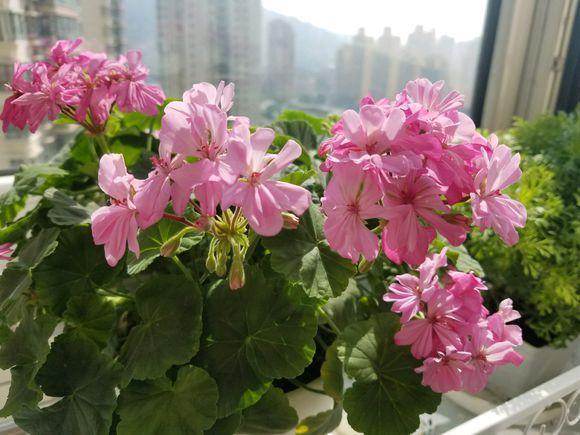
Geranium
For seedling raising, it is still recommended to use special seedling trays, then choose relatively loose, breathable, fertile soil, put the seeds into the soil, one seed per cell, then cover with about 2 cm of soil, then water once to settle the roots, place in a spot with less light but good ventilation, keep the soil moist, and they will sprout in about 7 days.
After the plants sprout, do not move them all at once to a place with very strong light for care. Wait until the leaves have filled out, then you can move them into a large pot, let them recover for about a week, and then give them enough light. To ensure the geranium seedlings grow strong, you can use relatively mild organic fertilizer, such as pure plant organic fertilizer rich in balanced nitrogen, phosphorus, and potassium, which can very well promote plant growth and development.
Baby's breath
To raise baby's breath seedlings, choose loose, breathable, well-drained sandy loam soil, water the soil thoroughly at one time, then scatter the seeds on the surface of the potting soil, keep it ventilated, and generally it is better to water once a day, but be sure not to let water accumulate.
Baby's breath sprouts relatively quickly. In less than 4 days the seeds will germinate, then move them to a place with relatively sufficient light. Likewise, keep the soil relatively moist. In less than a month, they can be potted up. After potting up, do not rush to put them in a place with sufficient light; generally placing them in a shady spot is fine. Two days after repotting, they can receive enough light.
Likewise, after the plants grow normally, appropriately supplement fertilizer. It is still recommended to use relatively ecological and safe organic fertilizer, fermented from sugarcane bagasse. Do not use chemical fertilizer, as it will shorten the lifespan of the plants.
Lavender
Lavender, like nasturtium, is a flower with a relatively hard seed coat, so to germinate, the seeds must first be soaked.
Prepare a basin of warm water at about 40 degrees, then put the seeds in and soak them for about 1 day. Even if the water cools, they must be soaked for this full time to germinate better.
Put loose, breathable, well-drained culture soil into the seedling tray. After watering the potting soil moist, plant the seeds, and cover with a thin layer of about 1 cm of soil.
Generally place them in a relatively shady place and keep the soil moist, but water must not accumulate. They will sprout in about half a month. At this time, placing them under scattered light is more suitable. During the seedling stage, spray water more often; if the soil dries out, the seedlings will wilt. When they have grown to about 10 cm, they can be potted up for care.
Alright, that is all for the flower sharing. I hope we can all harvest a small garden in autumn.