Improper watering when caring for flowers: some flower lovers turn water into poison
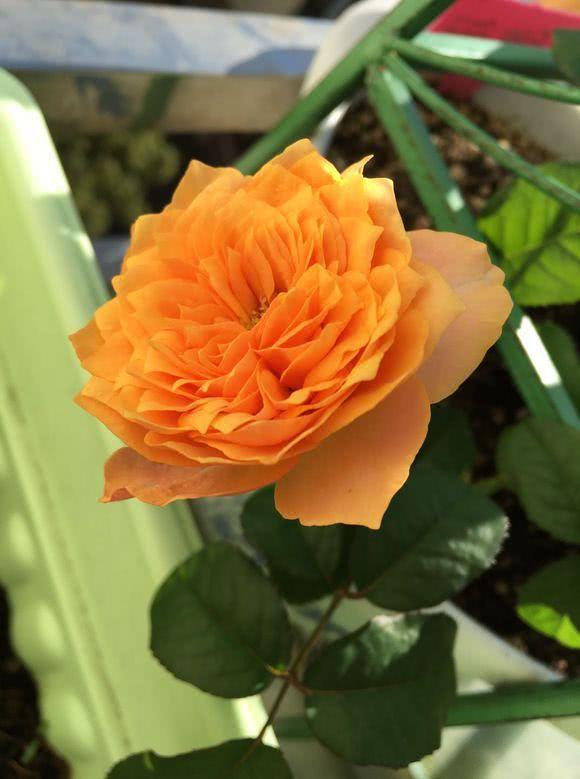
Watering flowers is a daily essential lesson for flower lovers, but even with the same watering, some people's plants grow vigorously with flowers in full bloom. Yet some flower lovers stubbornly turn this water into "poison water," and the flowers all wither and die. How should this situation be solved?
Grandma used rice water to water flowers, but wasn't that in the ground?
We all know that rice water can be used to water flowers, and Grandma often used it, keeping her flowers thriving. But you must remember, Grandma was growing flowers in the ground, which is fairly breathable and dissipates heat quickly. Potted plants, however, have relatively little space, and the heat produced by fermenting rice water can very easily burn the plant's root system, and it also produces an unpleasant odor.
If you want to use rice water to water flowers, be sure to put it in a bottle and ferment it for about half a month. If there is an unpleasant odor, continue fermenting until there is no odor at all, which means it is fully fermented.
Plant organic nutrient solution is good, but you must also get the amount right
Many flower lovers, besides making their own organic fertilizer, also buy some professional organic fertilizers, such as concentrated organic nutrient solution, purely plant-fermented, which is of course quite good. But you must pay attention to the dosage. If the instructions say to dilute 500 times with water, don't dilute it 250 times. If it says to use once a week, don't insist on using it every day. In summer, it is quite easy to burn the roots.
Milk is rich in nutrients, but you also need to see whether the flowers can absorb it
We all know that iron can prevent anemia, but we can't just grab a piece of iron and bite it. Using milk to grow flowers is the same principle. Everyone knows the nutrients in milk, but what you don't know is that plants cannot absorb such a viscous substance, and using too much instead causes poor respiration in the plant's root system.
A better method is to put the milk into a sealed bottle, and you can add vegetable leaves, fruit peels and the like to ferment together, which can produce relatively more nitrogen, phosphorus and potassium components. Only then can it be absorbed by the flowers and promote growth.