Purslane is a treasure from head to toe; dry it and use it as a flower fertilizer at the bottom of the pot, and you won't need to fertilize for a year
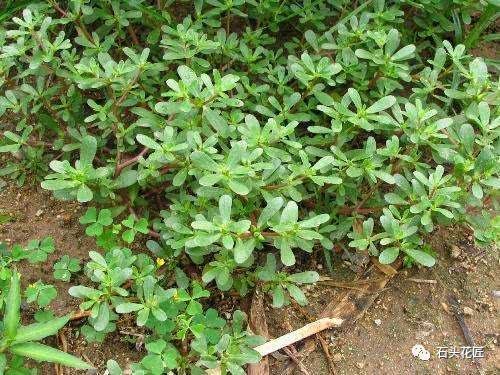
Speaking of purslane, many flower lovers have actually seen it. It is a plump little wild grass that grows in the wild, with fleshy leaves and stems, creeping along the ground, and it has very strong survival ability. But this wild herb has very high medicinal value. It can not only clear heat and detoxify, lower blood sugar, and lower blood lipids, but can also treat appendicitis, dysentery and other diseases. These have all been proven in medicine, and because its medicinal value is very high, it is also called the "longevity herb." In fact, its uses do not stop there. Dry it and use it as a base fertilizer at the bottom of a flower pot, and it is very fertile.
In fact, this grass is very common in rural areas. In the past, farmers would dry purslane in summer and then store it for winter to eat as a vegetable. It can be stir-fried or boiled, because purslane is rich in protein, fatty acids, vitamins and other minerals. But now, with the enrichment of people's material life, it has become a true weed, and many people do not know its edible value and medicinal value.
What Shitou wants to share with everyone today is that this wild grass seen everywhere not only has high medicinal value and edible value; drying it and using it as flower fertilizer is also excellent. When repotting flowers, line the bottom of the flower pot with it, and you won't need to fertilize again for a year. So the theme Shitou is sharing today is:
Purslane is a "treasure" no matter "how" it is used; dry it to make flower fertilizer, and "line the bottom of the pot" so you won't need to fertilize for 1 year
Besides its edible and medicinal value, purslane can be collected every summer, dried in a cool place, and stored. Each time you pot a flower, place the purslane grass at the bottom of the flower pot instead of the tile pieces usually placed at the bottom when potting. This increases the water permeability and air permeability of the potting soil and prevents root rot caused by poor soil permeability during the plant's growth.
Placing purslane grass at the bottom of the flower pot also has a very important function, which is to serve as a base fertilizer that continuously ferments and provides nutrients for plant growth. Purslane is rich in amino acids, vitamins and other substances; that is, it is rich in nitrogen, phosphorus, potassium and other elements, and can provide abundant nutrients for plant growth. As the plant continues to grow in the pot, the purslane grass placed at the bottom of the pot gradually ferments into fertilizer, providing nutrients to the plant roots and becoming a continuous fertilizer. For flowers that are repotted every year, when potting in spring, line the bottom with purslane grass, and basically no additional fertilization is needed for a year.
In fact, growing flowers is a process of constant experimentation. Make use of waste and weeds from daily life. As long as you are willing to discover and willing to try, you will accumulate many little tips and knowledge about growing flowers. With this kind of wild grass, as long as you use your hands, it can be used as fertilizer, without spending a penny, and the fertilizer effect is also very good. If you like it, go try it yourself right away.
If some flower lovers like its edible value, that is, eating it as a vegetable, you can grow a pot of purslane indoors yourself. Remember, one pot is enough, more than you can finish eating. Each time after you pick the stems, it will continue to grow and sprout, and once again grow until it fills the pot.
I am [Shitou Huajiang]. I share little flower-growing tips every day, remember to follow me!