What to do when the leaves of lucky bamboo grown in water turn yellow? Causes and solutions
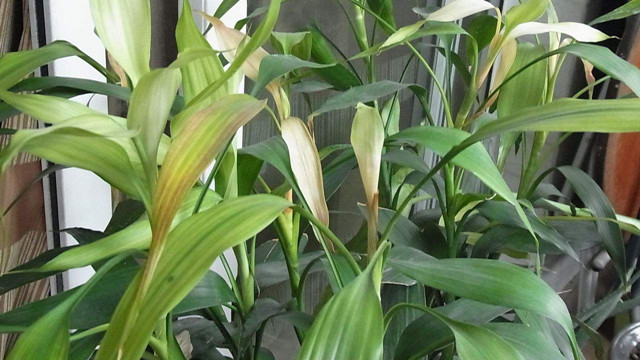
1. Prune yellow leaves
When the number of lower leaves is not particularly large and they wither and turn yellow, this is normal; you just need to remove the yellow leaves. If there are many yellowing leaves, it may be a problem with the care environment or the plant itself.
2. Prune the lower leaves
When you buy a new lucky bamboo, it is recommended to properly remove the old lower leaves and keep only some of the upper leaves. If too many leaves are left on the plant, they will also gradually turn yellow. Next, if the bottom of the lucky bamboo has not developed roots, cut it diagonally at 45 degrees with a sharp knife and place it in a vase to grow in water. At this time, be sure not to use scissors, otherwise it will squeeze and damage the stem of the lucky bamboo, causing rot.
3. Change the water appropriately
It is not recommended to fill the vase with water. Generally, a water depth of 5-6 cm can meet the needs of lucky bamboo; too full will instead cause the leaves to turn yellow. Before rooting, do not frequently change the water or move it to a new care location. Some people like to put a few iron nails in the lucky bamboo container, preferring to supplement it with iron, but this must be done after it has rooted. In addition, when growing it in the north in winter, the minimum temperature requirement must be met.