A Detailed Guide to Using Wire for Bonsai Shaping
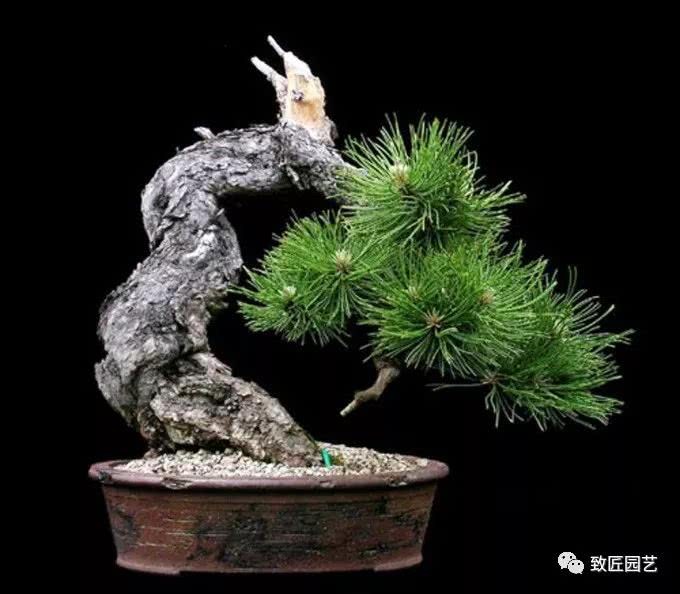
In modern times, wire is used instead of palm fiber to bind and shape branches; in Japan, aluminum wire and copper wire are also wrapped around branches for shaping. Compared with palm fiber, wire shaping is simpler, faster, more flexible, and easier to master. However, because the color and form of the wire differ greatly from those of the branches, a bonsai that has been shaped with wire cannot be appreciated right away; only after several years, when the wire is removed, can it be enjoyed by viewers. From the current situation, the wire-wrapping method is still effective for factory-style production in nurseries.
The Wire Method for Bonsai Shaping
Wires include copper wire, aluminum wire, and lead wire. Lead wire is easy to buy on the market and very cheap, but it rusts easily; copper wire and aluminum wire do not rust easily, but they are more expensive. The thickness of the wire used is usually about 1/3 to 1/5 of the thickness of the branch being shaped, and the length is about 1.2 to 1.5 times the length of the branch to be bound. Watering should be stopped one day before shaping to make the branches supple so they do not break when bent. This is especially important for deciduous trees: watering must be stopped one day before shaping. Pomegranate and maple trees have thin bark and are easily injured during shaping, so before shaping, paper, hemp fiber, or old cloth should be wrapped around the outside of the wire to prevent damage to the tender bark.
The Wire Method for Bonsai Shaping
Wire Shaping Method for the Trunk
When shaping the trunk with wire, first plant the tree diagonally in the pot, place the wire close to the back of the trunk (that is, the side opposite the viewing face), insert it into the pot all the way to the bottom, and fix the wire in the soil, making sure it is firmly secured. Then wrap the wire around the trunk. The angle between the wire and the trunk is generally 45 degrees; otherwise the wire will be too dense or too sparse. In addition, the wire should fit closely against the trunk, but not too loosely or too tightly. The other end of the wire is wrapped and fixed onto a small branch at the tip of the trunk. Once the wire is wrapped, the trunk can be bent: first bend the first curve, and while bending, gently twist along the wrapping direction to prevent the wire from loosening away from the trunk, until that curve is completed. Bend the second curve in the same way, until reaching the top tip (forming the apex).
Wire Shaping Method for Branch Pads
First bend the main branch, with one end of the wire fixed to the trunk at the base of the main branch, taking care that it does not loosen. Then wrap the wire in the same way as for the trunk, until reaching the tip of the main branch. The points to note during wrapping are the same as in the trunk wire-wrapping method. Once the wire is wrapped, shape the first curve, and while bending, gently twist along the wrapping direction to prevent the branch from breaking. After the first curve is completed, shape the second curve, then use the same method to bend the side branches at all levels on the main branch to form branch pads.
When shaping the branch pads of a stump bonsai (tree stump), first compose the design according to the form of the stump, then determine the number, form, size, and attachment positions of the branch pads according to the needs of the composition, select and retain the main branches, and thin out the excess branches. Thicker branches can be wrapped on the outside with hemp fiber, cloth strips, and the like to prevent tearing. The Shanghai-style bonsai uses simple mechanical methods such as hanging rings to pull and bend branches, which is a good approach. For shaping the branch pads of a stump bonsai, the wire method is used, and the method and steps are the same as the branch pad wire shaping method introduced above (figure).
Highlights