The dancing grass can dance; if you are tired of ordinary flowers and plants, you might as well grow a pot.
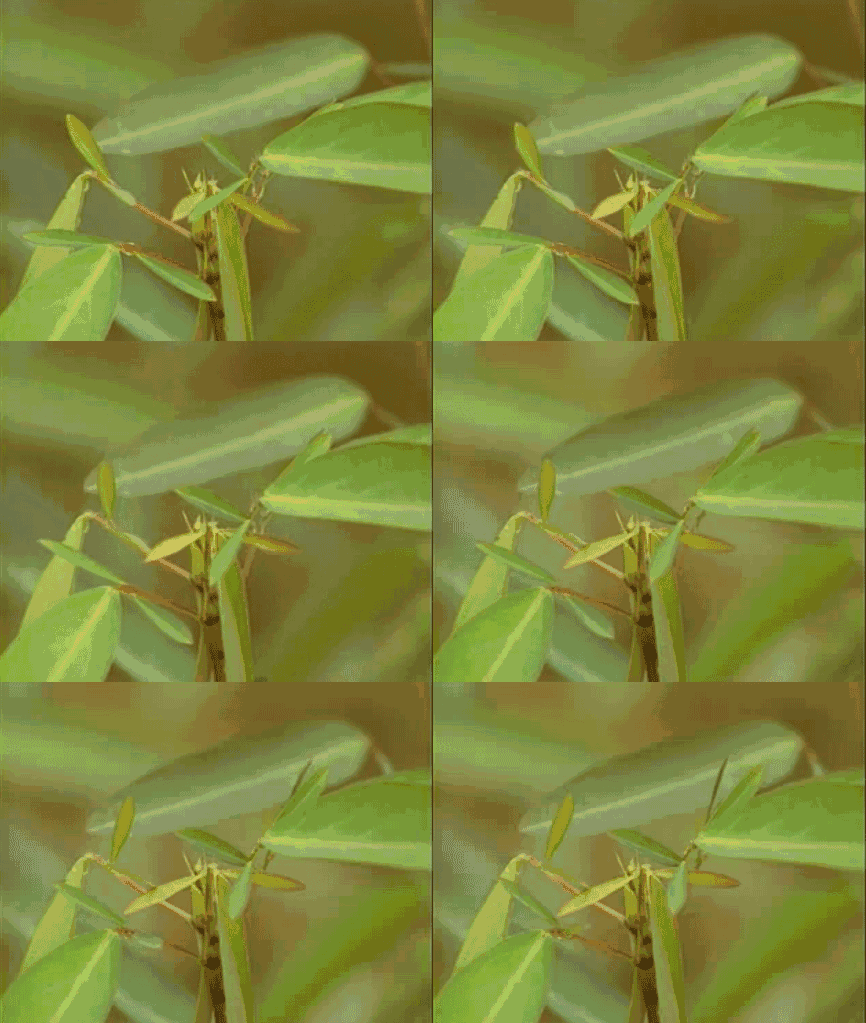
You have learned about plenty of strange and unusual plants, but have you ever seen a plant that can dance to sound? The magical plant the editor is introducing to you today is the dancing grass.
Dancing grass is also called "lover grass," and it is the only plant in nature that can react to sound. It is distributed in Fujian, Jiangxi, Guangxi, Guizhou and other places in our country.
Under the stimulus of a 70-decibel sound or temperature, the two small leaflets on the leaf stalk rotate and dance along with the large leaf in the middle, which is very magical.
The reason the dancing grass makes this instinctive reaction is related to its own spongy tissue. When the air temperature rises, the water inside the dancing grass evaporates faster as the temperature rises; at this time the plant's spongy tissue expands, and the small leaflets begin to swing.
And when it receives the stimulus of an appropriate sound, the spongy tissue contracts sharply, driving the small leaflets to swing, which is why we see the small leaves dance!
The magical dancing grass also has medicinal and health-care value. The whole plant can be used as medicine, and it has the effect of relaxing muscles and stimulating blood circulation. Because of its magical natural dancing reaction and fresh appearance, many people now grow it in flower pots for ornamental purposes, and it is full of interest.
To grow dancing grass, we can choose to sow seeds, and the best growing temperature is around 25 degrees. The seeds of dancing grass have a waxy layer on the outside. When planting, we can soak them in warm water for about two days before sowing, which can help them sprout better.
Flower lovers who want to enjoy the magical sight of dancing grass can buy a packet of flower seeds and try sowing them themselves!
If you also like growing flowers, then follow us!