Want to collect bonsai? Key points you must read before buying bonsai
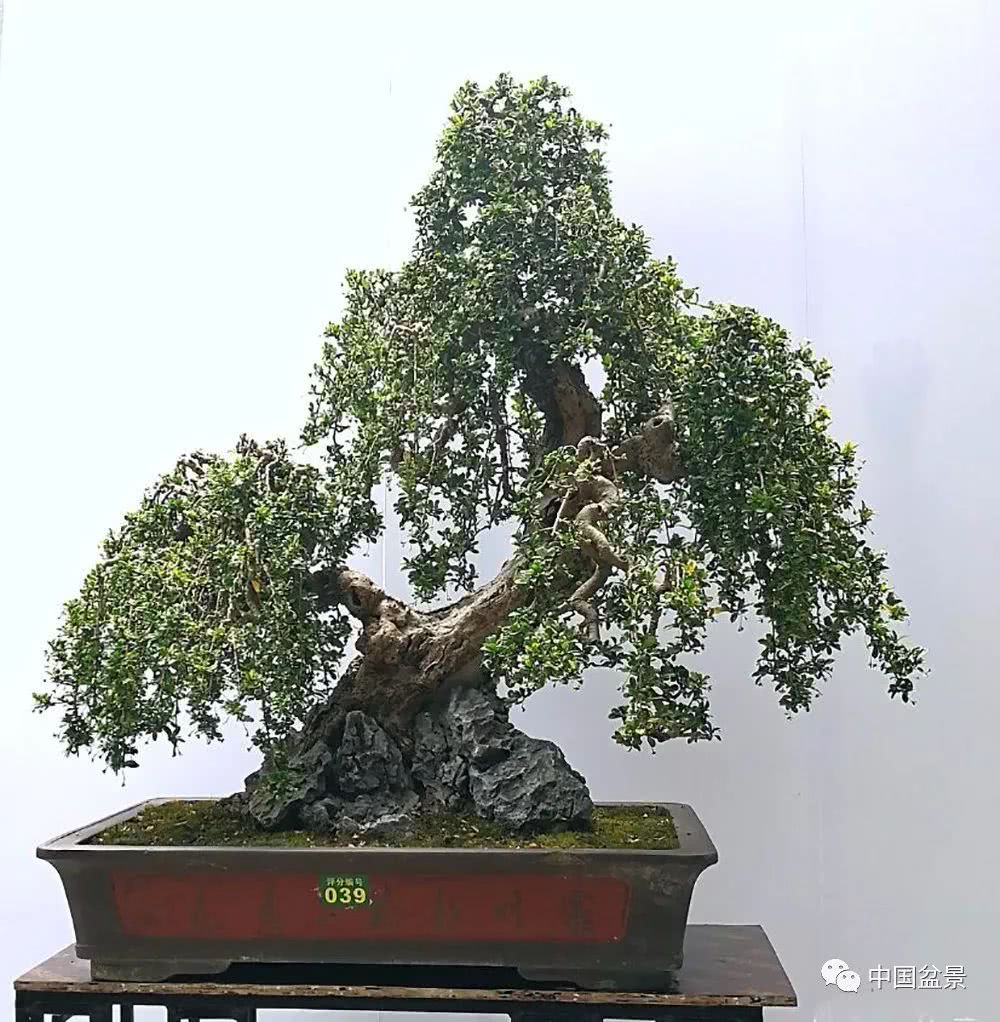
Bonsai collecting has its own know-how. How much of it do you know? You might first take a look at Teacher Fu Quan's guidance on bonsai collecting -
In recent years, a large number of bonsai collectors have emerged in China's bonsai world. They spare no expense to acquire bonsai, and some have even built private bonsai gardens, hired craftsmen to manage the bonsai, and hired writers to promote the bonsai.
Because these bonsai collectors have different purposes - perhaps interest, or investment in pursuit of economic value, or following the fashion and affecting refinement, or a combination of these - and because their personal qualities and levels of bonsai appreciation vary greatly, bonsai speculators seize the opportunity to step in. For a time, various phenomena of frenzied speculation and eager pursuit of quick success appeared in the bonsai market: after banyan trees were hyped, elms were hyped; before the hype over pines and cypresses had ended, Buddhist pine was pushed out; yesterday literary-style trees and large cascading-branch bonsai were touted, today shari-trunk bonsai are praised. Their promotion dominates the bonsai styles popular in the region, and the highest price they can persuade major bonsai buyers (that is, collectors able to spend heavily to acquire bonsai) to pay for bonsai becomes the regional bonsai market price.
Just like the clothing market, when the season changes each year, merchants always vigorously promote and launch new styles in order to make money; a piece of clothing priced at 58 yuan attracts no buyers, but change the tag to 580 yuan and it sells out in the blink of an eye; elegant music, bel canto singing, and excellent folk songs now attract few people's interest, while singers of pop songs have become "music stars," "kings," and "queens" loved by millions. Similar phenomena have likewise appeared in today's bonsai: century-old bonsai works created over several generations attract few buyers, while large tree material grown in the ground for less than 10 years can be potted and sold at a high price.
In contemporary China, the economy is developing and society is progressing. Markets for all kinds of goods and artworks are undergoing a process of evolution from disorder to order, from impetuousness to rationality. Bonsai - a higher art with independent aesthetic value - has not only entered countless homes and the market, but has also entered the field of collecting in the unique form of living art.
For bonsai collectors, if buying bonsai is treated like buying ordinary goods and they blindly purchase fashionable bonsai, then with every "season change" they will have to sell low and buy high, bringing themselves economic losses, and the bonsai garden will become as cluttered as a bonsai shelter. Therefore, they must adjust their mindset, clarify their thinking, invest in a planned and purposeful way, and buy and collect bonsai rationally.
1. Collecting is an unchanging social, cultural, and entertainment need throughout the ages; the purpose of collecting lies in cultivating character and experiencing supreme beauty.
Bonsai is a living art that encompasses knowledge from many disciplines such as literature, garden making, painting, and biology, and it offers a charm unmatched by other collectibles. As people's demand for leisure culture grows, the desire and demand for collecting bonsai will also grow day by day. The core of cultural entertainment is creating inner experience. A true bonsai collector spares no effort to collect bonsai precisely in order to cultivate character through this, return to nature, withdraw from the mundane world, and experience supreme beauty.
2. In collecting bonsai, one must choose fine works and distinctive representative works for it to be meaningful.
The process of collecting is a process of learning, discovery, and excavation. Collecting fine bonsai works allows one to explore the footsteps of masters, the techniques of famous artists, and the styles of different regions, from which one can gain perceptual knowledge, and further accumulate materials for scholarship and writing. Whether they are social celebrities, worthy collectors, or ordinary bonsai enthusiasts, as long as they devote effort and collect purposefully rather than blindly, they can continuously improve their level of bonsai appreciation and obtain the fine bonsai in their hearts from the complicated bonsai market. These fine works will become part of Chinese bonsai art, add splendor to the era, bring glory to Chinese bonsai art, and contribute to promoting and developing Chinese bonsai art.
3. Treat the economic value of bonsai calmly.
In recent years, due to speculators' market hype and media promotion, some collectors have treated bonsai collecting as a means of profit, with some bonsai earning tens of thousands of yuan when resold. Although art is priceless and it is very difficult to determine the value of a pot of bonsai, there are still rules to follow. Bonsai that is naturally formed and flawless is extremely rare.
The bonsai currently seen on the market can be roughly divided into three categories:
First, bonsai cultivated in pots from a young age and shaped through artistic processing;
Second, those processed after being collected from the mountains;
Third, mass-produced commercial trees. The prices of these three categories of bonsai are different. Bonsai cultivated in pots from a young age and shaped generally take decades or more than a hundred years. If the styling is natural, full of poetic and pictorial charm, and able to reflect the bonsai principle of seeing the large within the small, then its artistic content is high. Such bonsai are top-grade;
Bonsai processed after being collected from the mountains generally have wounds or deficiencies. If they pass through the hands of masters with superb skills, with ingenious workmanship and appropriate enhancement according to type, bringing out the special merits of the tree, then they are also first-rate bonsai. Because modern science and technology are advanced, there are many means of rapidly cultivating tree material. No matter which kind of bonsai sells well, it can soon be mass-produced, as much as you want, as large as you want, and made into whatever form you want. This kind of bonsai is the commercial tree. Bonsai collectors must be good at distinguishing them so as not to be deceived. The most important basis for judging whether something is a commercial tree is tree age, and there are also many methods for judging the length of tree age, such as the color of the bark and the wrinkles of the branches and trunk, especially for bonsai created by the method of accumulating branches and truncating the trunk; a commercial tree cannot achieve one inch with three bends...
4. The sign of maturity is rationality.
Bonsai collectors need to be good at learning and good at thinking, accumulate experience during the collecting process, and learn to collect rationally. At the same time, they should be able to create bonsai art with their own hands and understand the creative process and techniques of bonsai. In this way, they not only add to the pleasure of collecting, but also make themselves better at collecting.
Bonsai collecting judges the past with a historical perspective, examines the present with an artistic perspective, and opens up the future with a developmental perspective. As the great waves wash away the sand, contemporary bonsai collectors need the vision of lofty scholars, the breadth of mind of accomplished people, and an innovative spirit that advances with the times in order to withstand the test of the market economy. In this process, a group of capable and courageous bonsai collectors will surely be brought forth, and they will at the same time become excellent bonsai artists, achieve results worthy of the era, and add luster to the cause of Chinese bonsai art.
(This article is original by Teacher Fu Quan, and the copyright belongs to Teacher Fu Quan)
Wonderful replay:
Welcome to Chinese bonsai!
Enjoy at any timeappreciatethe bonsai exhibition hall
Promote bonsai culture and exchange bonsai techniques!
Appreciate bonsai art and share a happy life!