What kind of soil is fertile for growing flowers? It's not leaf mold but this, and everything thrives in it
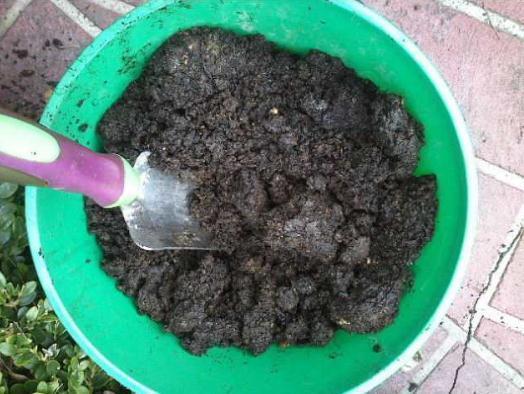
With the improvement of living standards, more and more people are growing flowers now. As a part of life, flowers can be said to be a very interesting thing; they not only add color and vitality to the home, but also delight the flower grower's mood. However, growing flowers is also a technical job, and only by mastering some basic knowledge of flower growing can you make your flowers thrive more and more. What is most important when growing flowers? Besides watering, light and fertilizing, "nutrient soil" is also very important. Some flower enthusiasts who have grown flowers for many years actually do not use leaf mold, but the following kind of soil. Any flower can be kept alive in it.
What kind of flower-growing soil is so useful?
What kind of flower-growing soil is this? In short, it is a loose, fertile, airy and nutrient-rich soil, most suitable for growing flowers. It is actually made by mixing a variety of materials. The leaf mold commonly used by flower enthusiasts is only one of the materials of this nutrient soil. When making this nutrient soil yourself, you also need to prepare the following materials. They are: rotted barnyard manure, peat soil, pine needles and some gravel. Among them, both peat soil and leaf mold contain a fair amount of humus, which is good for plant growth. Pine needles and gravel, meanwhile, can play a role in aeration and drainage. Barnyard manure, needless to say, is genuine organic fertilizer.
What details should be noted when changing soil for flowers?
After the nutrient soil is made, there are also many points to pay attention to when changing the soil for potted flowers. If not done properly, it will cause root rot and withered branches and leaves. Changing the soil for potted flowers is mainly divided into three steps. First: before changing the soil, note that watering should be stopped, otherwise the potting soil will stick to the root system and damage the roots when changing the soil. Second: during the soil change, first check whether the flower's root system has rot; if there is rot, be sure to wash and trim it clean first, then sterilize and disinfect it with potassium permanganate solution. Third: after changing the soil, do not immediately put the potted plant in the sun; instead, place it in a cool, ventilated place for one day. At the same time, after changing the soil, water thoroughly once in time.
When should the soil be changed so the flowers are less likely to die?
Changing the pot and soil for a flower is like performing an operation on it; it has to adapt to the whole environment again. Therefore, many people do not want to change the soil, for fear that after changing it the leaves will turn yellow and the plant will die. But if you do not change the soil, the root system will grow into a tangled mass, and the soil will become more and more barren. Besides paying attention to the details mentioned above, you should also pay attention to the timing of the soil change. From a broad perspective, it is recommended to change the soil in spring and autumn each year. From a narrow perspective, it is recommended to change the soil in the morning or in the cool of the evening. At this time the environment is most suitable, and the survival rate of the flowers will also be higher.
That is all for sharing the knowledge about growing flowers. Thank you for reading!
Remember to like and share~