This is how to plant tulips so they don't rot easily - planting methods shared with flower lovers
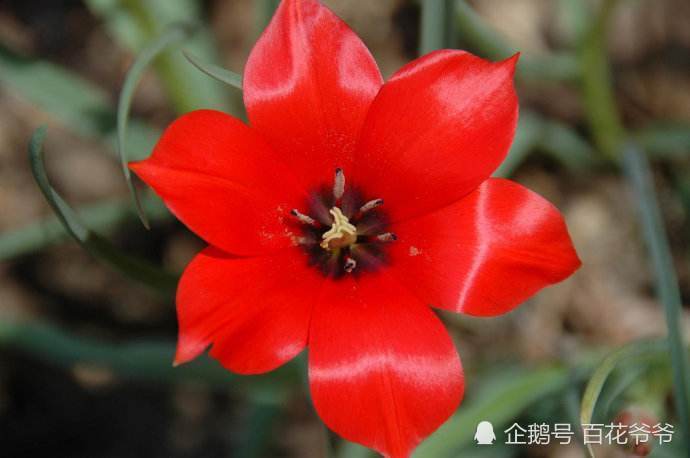
Part of this article is excerpted from Rui Hanxiang's blog. Mother Qiu found it very helpful after reading it, and shares it with flower lovers who like growing bulbs for reference.
Autumn is coming soon, which is a very good time to plant all kinds of bulb flowers, such as tulips, hyacinths and the like. Generally by the Spring Festival you can see fairly beautiful flowers. Today, taking tulips as an example, I will share this with everyone.
1. Tulip planting time
October to December, plant when the temperature is around 15°C, and basically they will sprout in half a month.
2. Choosing the flower pot and soil
Do not choose a flower pot that is too deep; generally the depth should be 1-2 times the height of the bulb. For example, if the bulb is 3cm tall, then cover with 3-6cm of soil.
For the planting soil, sandy soil is recommended, and you can mix it yourself. Recommended: 10 parts coconut coir, 5 parts washed clean river sand, 1 part perlite, 0.5 part vermiculite, 1 part rice husk charcoal (by volume). (This ratio can be applied to most bulbous plants.) The coconut coir can be replaced with peat, leaf mold, garden soil or other basic media. For base fertilizer, slow-release fertilizer is still recommended (such as Osmocote, Magamp). In short, the medium just needs to reach the point where, after watering, the water drains through quickly within 5 seconds.
To avoid root rot in the bulbs, it is recommended to soak the bulbs in 1000 times diluted carbendazim for 30 minutes before planting, then let them dry before planting. This can effectively prevent root rot.
3. Care environment
After the bulbs are planted, just place them in a bright, indirectly lit, ventilated spot for care. Avoid rain, so as to prevent the bulbs and flower buds from rotting.
Autumn has arrived, and flower lovers can choose the bulbs they like to get started. Pay attention to the above 3 points, and bulb flowers will all grow very well.