Water Kalanchoe with fruit peel fertilizer water once every 15 days, and the buds will keep growing and blooming continuously
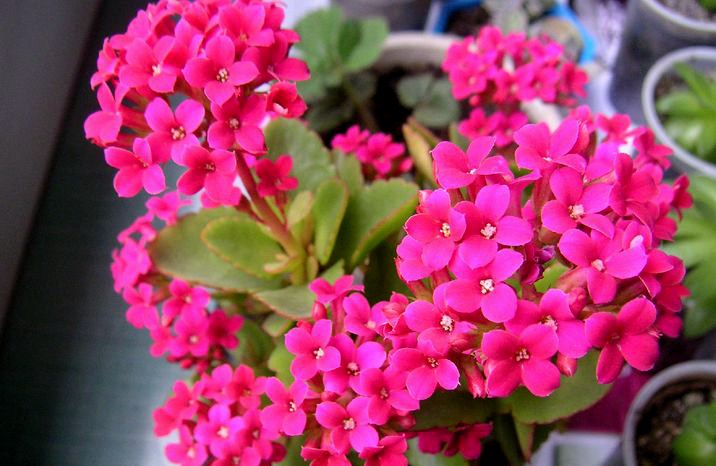
Kalanchoe (Kalanchoe blossfeldiana) symbolizes lasting forever. Its flowers are delicate and small, bright and beautiful, and it also heralds prosperity with blooming flowers. It has a strong decorative effect and is very popular among people.
To care for Kalanchoe well, people always try every possible method and rack their brains, wanting Kalanchoe to bloom more and continue blooming, so that it has a better ornamental effect. After constant experimentation, fertilizer water made from fruit peel is very easy to use. Give it to Kalanchoe once every 15 days, and the buds will keep growing and bloom continuously.
This kind of fruit peel cannot be used directly on flowers and plants. It needs to be fully fermented before use. For example, mix fruit peel and rice washing water thoroughly together, place it in a sunny spot, and it will ferment well in about 10 to 20 days. When using it afterward, dilute it with water, and use it once every 15 days.
Besides fermenting it into fertilizer water, you can also mix fruit peel thoroughly with garden soil to make nutrient soil. After about 3 to 6 months, it will be fully decomposed. Then when potting or repotting Kalanchoe, add it to the soil to make the soil more fertile, supplement nutrients for Kalanchoe, and let the buds keep growing and the blooming continue without interruption.
So as the weather turns cooler, what other issues should be noted for Kalanchoe?
The root system of Kalanchoe consists of fibrous roots. When watering Kalanchoe, pay special attention that waterlogging must not occur, as it easily causes root rot and the death of Kalanchoe.
In addition, for some old leaves and diseased leaves, remove them promptly. This can reduce nutrient consumption, and can also promote the growth of new leaves, making it more lush with branches and leaves, and bloom continuously.
Moreover, after entering the autumn and winter seasons, it should be placed indoors for growing, not outdoors, as it is prone to frost damage, causing the death of Kalanchoe.